Modern lifestyles can place considerable demands on the body and mind. Chronic stress, environmental pollution, irregular eating habits, insufficient rest and prolonged periods of inactivity may affect digestion, energy levels and general wellbeing. In classical Ayurvedic medicine, the concept of Ama refers to material associated with incomplete digestion or metabolism. Ayurveda describes how Ama, when present in association with imbalances of the three Doshas, Vata, Pitta and Kapha, may contribute to disturbances in the body's natural functioning. The traditional Ayurvedic understanding also considers the Srotas, the channels through which substances and processes are understood to move within the body.
When ordinary holidays and relaxation breaks are not enough to address concerns about health and wellbeing, an authentic Panchakarma Kur package in India offers an opportunity to experience a structured course of traditional Ayurvedic care. Panchakarma is not simply a collection of massages or a short detox programme. It involves individual assessment, appropriate preparation, selected therapeutic procedures, dietary guidance and a period of recovery under the supervision of a qualified Ayurvedic physician.
SWAN Ayurveda, situated amid the greenery of Assagao in Bardez, North Goa, offers a residential setting dedicated to traditional Ayurvedic therapies, supported by classical Hatha Yoga and a considered daily routine. Our approach brings together traditional Ayurvedic principles, individual consultation, prescribed treatments and appropriate nourishment, with the aim of supporting the person's overall wellbeing.
What Is a Panchakarma Kur?
The word Kur is traditionally used in some European wellness and natural health contexts to describe an intensive course of therapeutic treatment. In the context of Ayurveda, a Panchakarma Kur refers to a structured residential programme built around the principles of traditional Panchakarma, with therapies selected according to the individual's constitution, current condition and treatment requirements.
Panchakarma translates from Sanskrit as the “Five Actions”. In classical Ayurvedic medicine, these actions are associated with specialised therapeutic procedures intended to address particular patterns of imbalance. Unlike general wellness cleanses, a traditional Panchakarma Kur involves a considered process of preparation, prescribed treatment and recovery.
Ayurveda uses concepts such as Dhatus, the bodily tissues, Agni, the principle of digestion and transformation, and Ama, traditionally understood as material associated with incomplete digestion or metabolism. Classical Ayurvedic explanations describe preparatory procedures as helping to mobilise the material being addressed so that the prescribed treatment can be undertaken appropriately. These are traditional Ayurvedic explanations and should not automatically be equated with modern biomedical mechanisms such as the removal of specific cellular toxins.
The exact treatment plan varies according to the individual and the Ayurvedic physician's assessment. Not every person requires all five classical procedures, and some treatments may be unsuitable in particular circumstances.
To learn more about our philosophy, traditional approach and team, visit our About Us page. If you are comparing residential options, explore our affordable Panchakarma package in Goa, India and our guide to Panchakarma packages in Goa.
The Five Classical Panchakarma Procedures
An authentic Panchakarma Kur package in India should be tailored to the individual's Prakriti, or constitutional tendencies, and Vikriti, the current pattern of imbalance as understood in Ayurveda. Following an appropriate assessment, the supervising physician determines which procedures may be suitable, taking into account age, strength, medical history and other relevant factors.
Vamana (Therapeutic Emesis) is traditionally associated with the management of selected Kapha related imbalances. It involves a medically supervised procedure and is not suitable for everyone. Careful assessment is necessary before it is considered.
Virechana (Therapeutic Purgation) is traditionally used for particular Pitta related imbalances and involves prescribed measures to induce bowel evacuation. The preparation, medicines and timing depend on the individual's condition and the physician's judgement.
Basti (Medicated Enema Therapy) involves the administration of prescribed Ayurvedic preparations, including medicated oils or herbal decoctions, through the rectal route. Basti holds a particularly important place in classical Ayurveda's approach to Vata related conditions. Its traditional indications include certain concerns involving the lower digestive tract, joints and neuromuscular function, although individual outcomes vary.
Nasya (Nasal Administration) involves administering suitable preparations through the nasal passages. It is traditionally used for selected conditions involving the head and neck. The preparation and method depend on the indication, and the procedure should only be undertaken when considered appropriate.
Raktamokshana (Bloodletting) is a specialised procedure described in classical Ayurvedic medicine, traditionally associated with selected conditions involving the blood and skin. It requires specific indications, appropriate expertise and careful consideration of safety. It is not routinely included in every Panchakarma Kur programme.
These five procedures have different traditional indications and are not necessarily administered together. A residential Panchakarma Kur may include selected procedures alongside preparatory measures and supportive Ayurvedic therapies.
For more information about our treatments and residential programmes, visit our dedicated Panchakarma page.
Why Choose SWAN Ayurveda for Your Panchakarma Kur in India?
The environment in which a Panchakarma Kur takes place can influence the overall residential experience. However, the most important considerations remain the quality of the initial assessment, the suitability of the therapies, the qualifications of the practitioners and the attention given to preparation and recovery.
At SWAN Ayurveda, the emphasis is on a traditional residential approach rather than a standard spa package. The programme brings together Ayurvedic consultation, prescribed therapies, suitable meals, rest and classical Hatha Yoga practices where appropriate.
Physician Led Clinical Oversight
A traditional Panchakarma Kur should begin with an individual consultation. At SWAN Ayurveda, this provides an opportunity to discuss your health history, current concerns, dietary habits, medicines and expectations. The Ayurvedic physician may use traditional assessment methods, including Nadi Pariksha (pulse examination), tongue observation and other relevant clinical assessments.
Within Ayurveda, the physician considers Prakriti and Vikriti alongside other traditional diagnostic factors when planning treatment. These concepts form part of the Ayurvedic framework and do not replace biomedical investigations where those are necessary.
The choice of therapies, oils, herbal preparations and dietary measures is guided by the physician's assessment. The plan may be adjusted during the stay according to the person's response and tolerance. This individual approach is particularly important because a procedure appropriate for one guest may not be suitable for another.
For further information about selecting an Ayurvedic facility, you can also read our guide to the best Ayurveda centre in India.
The Restorative Setting of Assagao, Goa
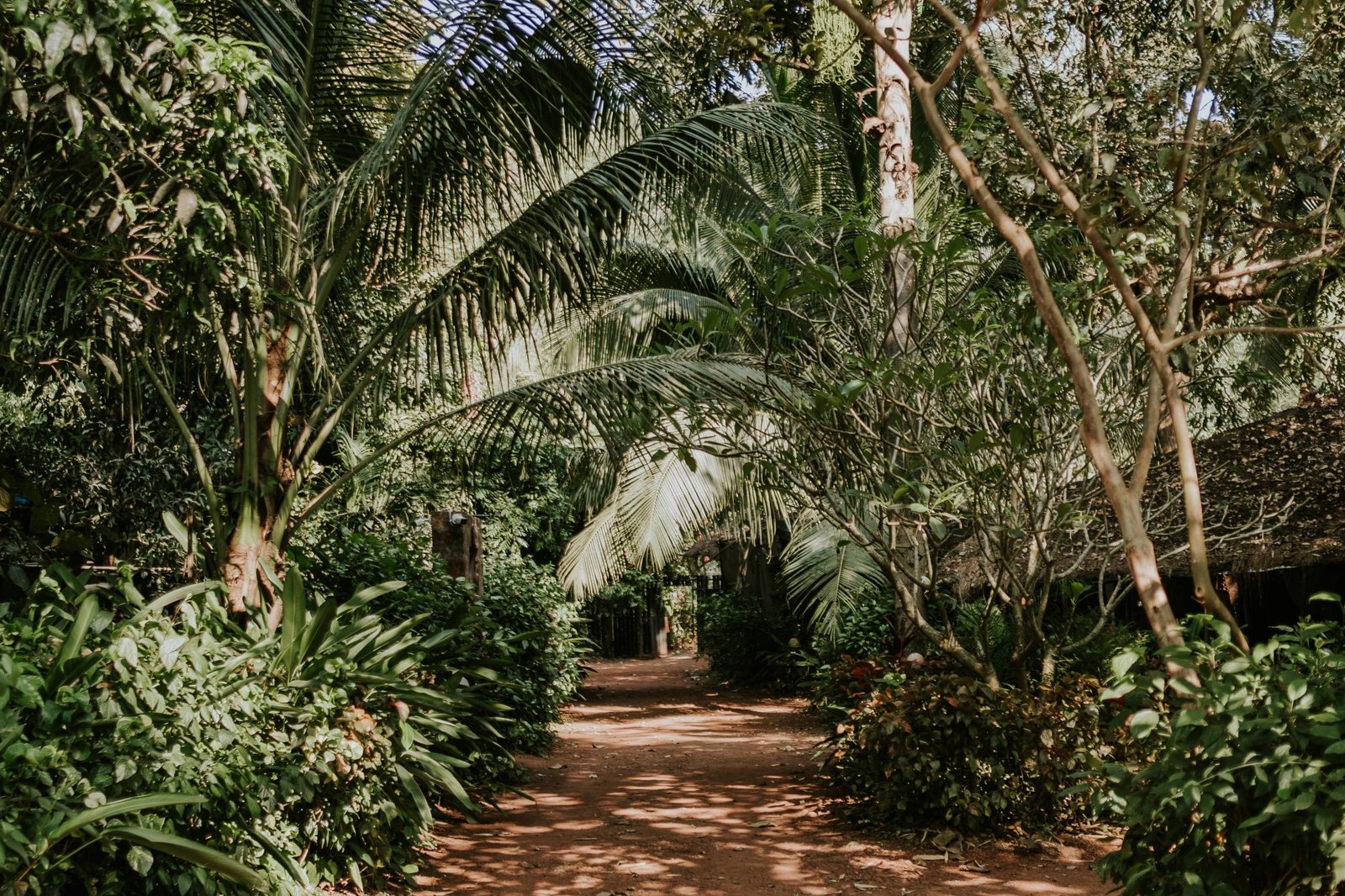
Assagao is a green village in Bardez, North Goa, offering a quieter alternative to the busiest coastal tourist areas. Its tropical surroundings provide a pleasant setting in which guests can step away from their ordinary routines and devote time to treatment, rest and reflection.
Traditional Ayurveda recognises the importance of climate, season, daily habits and the surrounding environment when considering wellbeing. Goa's warm climate may make certain forms of oil application and relaxation comfortable for some guests, although suitability depends on the individual and the therapy prescribed. The climate itself should not be understood as a guarantee of toxin elimination or a substitute for appropriate treatment.
For international visitors seeking an Ayurvedic Panchakarma Kur in India, Assagao offers the opportunity to experience a residential Ayurvedic programme in a village environment while remaining connected to the wider region of North Goa.
Classical Hatha Yoga Integration
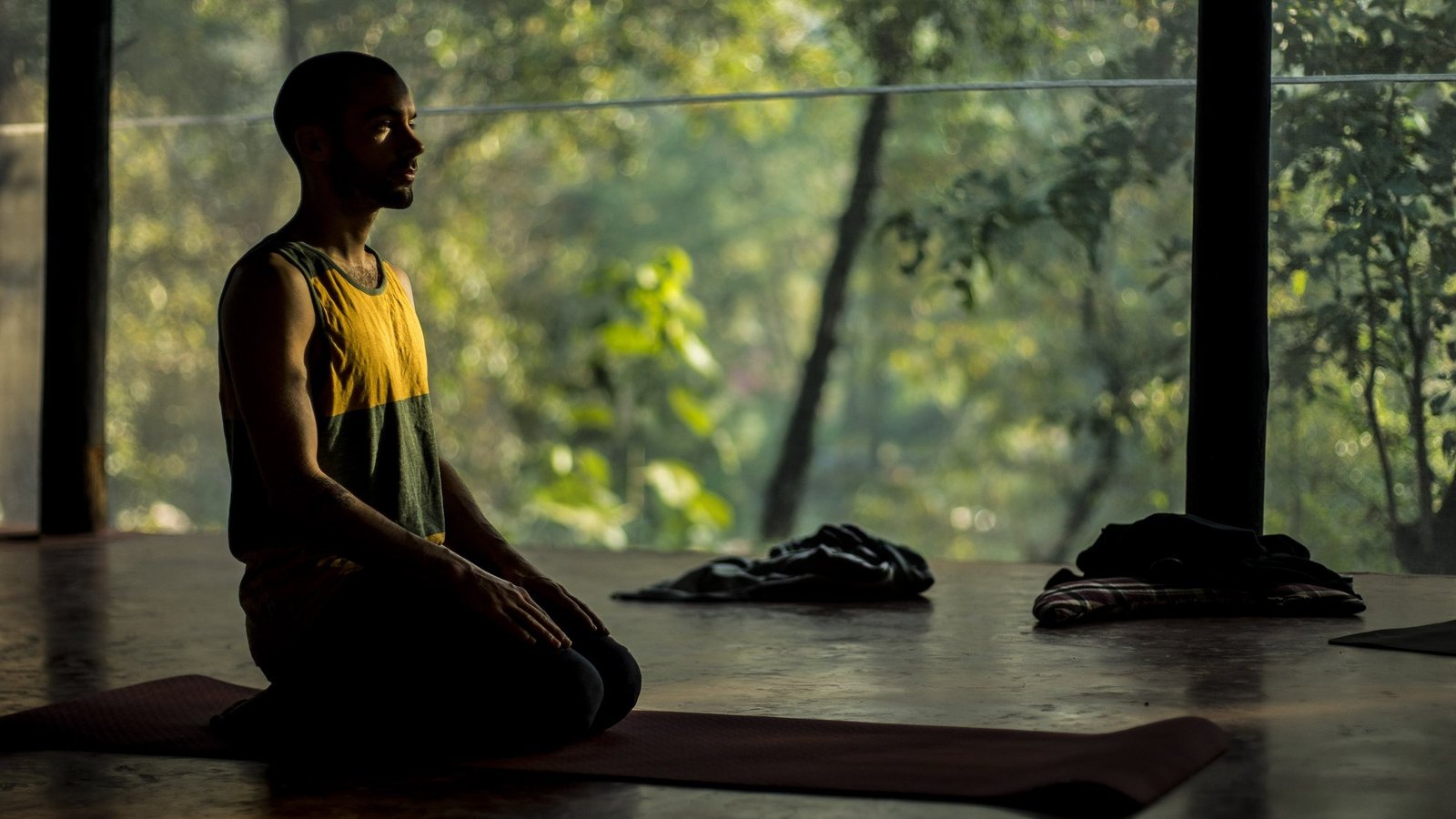
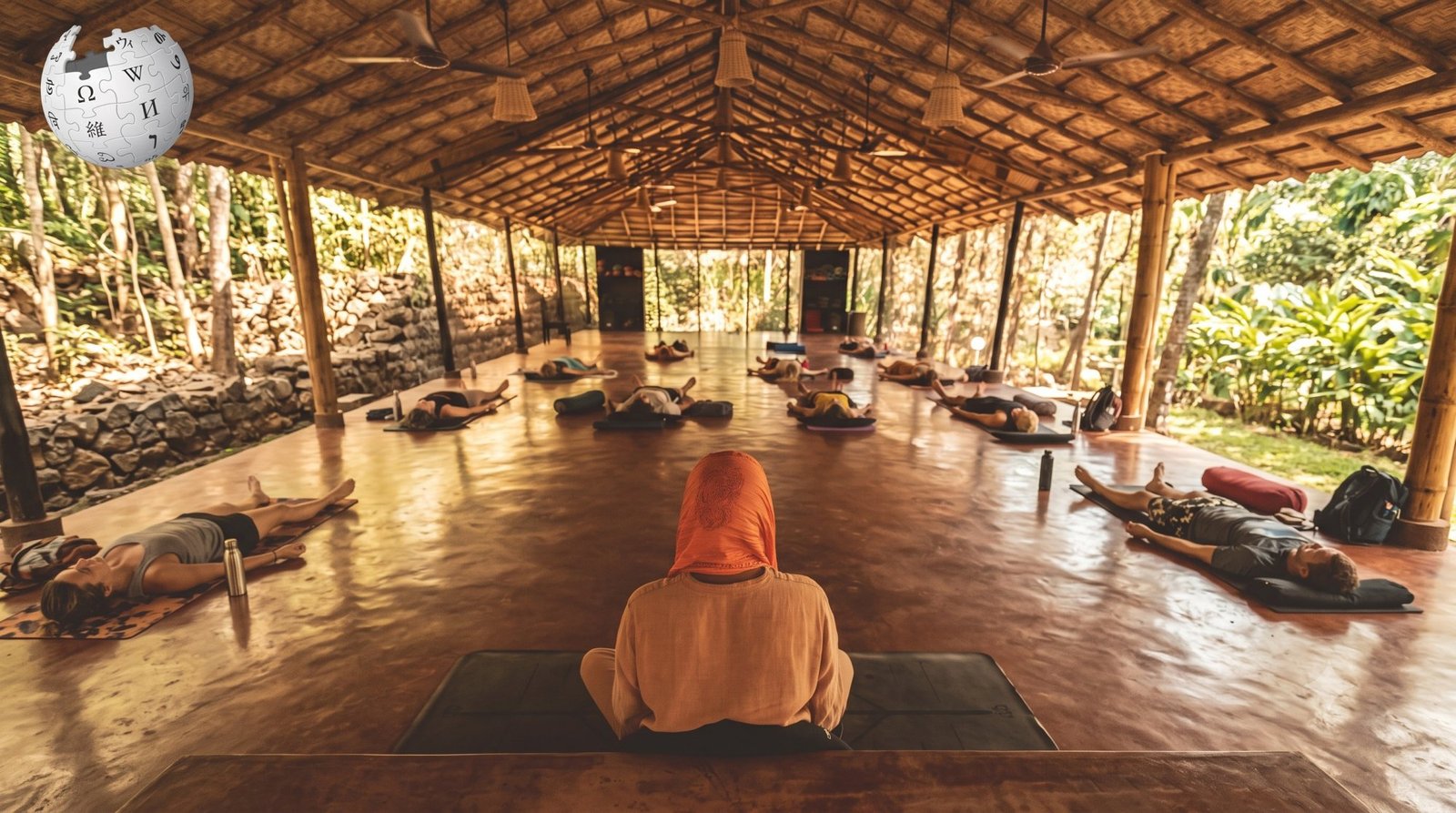
Ayurveda and Yoga are closely related within India's traditional systems of health and spiritual practice, although they remain distinct disciplines. At SWAN Ayurveda, classical Hatha Yoga can complement the residential treatment experience through practices selected according to the individual's needs and the stage of the programme.
Depending on the treatment plan, daily practice may include appropriate asanas, gentle restorative postures, Pranayama, relaxation and guided meditation. The intensity and duration of practice can be adjusted, particularly during periods when rest is important.
Traditional Yoga also works with the concept of Nadis, subtle channels described in Yogic texts. These belong to the traditional Yogic framework and should not be treated as literal anatomical structures. The purpose of including Yoga is to provide a complementary practice that supports awareness, movement and a balanced daily rhythm, rather than to promise a specific medical result.
You can explore our residential programmes on the Yoga Retreat page.
Stages of an Immersive Panchakarma Kur Package
A traditional Panchakarma Kur requires careful planning. Residential stays of 14, 21 or 28 days are available at SWAN Ayurveda, with the precise treatment schedule determined by the physician. The traditional process is often explained through three broad stages: Purvakarma, Pradhanakarma and Paschatkarma.
Phase 1: Purvakarma (Preparation)
Purvakarma refers to preparatory measures undertaken before selected Panchakarma procedures. Depending on the individual's needs, these may include Snehana, the use of oils or fats in prescribed forms, and Swedana, selected therapeutic sweating or fomentation procedures.
Internal oleation using medicated ghee may be prescribed in certain circumstances. In traditional Ayurveda, this is understood as a preparatory measure intended to support the subsequent therapeutic process. It is not appropriate for everyone, and the preparation, dosage and duration must be determined by the physician.
External oil applications such as Abhyanga, a traditional Ayurvedic massage, may also form part of the programme. Herbal steam or other forms of fomentation may be prescribed where appropriate. The selection of these treatments depends on the person's condition, strength and the procedure being planned.
Phase 2: Pradhanakarma (Principal Treatment)
Pradhanakarma refers to the principal therapeutic procedures selected for the programme. These may include Virechana, Basti or other procedures when indicated by the physician. The exact combination varies, and there is no single sequence that is appropriate for every guest.
During this stage, adequate rest and a suitable daily routine become particularly important. Meals may be kept simple, and warm, freshly prepared foods such as Kitchari may be recommended at particular stages according to the treatment plan.
In classical Ayurveda, food choices are considered in relation to Agni, the principle of digestion and transformation. The aim is to provide appropriate nourishment while following the physician's recommendations, rather than imposing a universal diet on everyone undergoing Panchakarma.
Phase 3: Paschatkarma (Recovery and Rejuvenation)
Paschatkarma refers to the period following the principal procedures. In traditional Ayurveda, this stage receives considerable attention because the return to ordinary food, activity and daily responsibilities should be gradual when required.
A graduated dietary approach known as Samsarjana Krama may be prescribed after particular elimination procedures. The foods, sequence and duration depend on the treatment undertaken and the person's response.
The physician may also recommend Rasayana, a category of Ayurvedic preparations and practices traditionally associated with nourishment, vitality and the maintenance of wellbeing. The suitability of these preparations depends on the individual's condition and other factors, including medicines being taken.
The purpose of this stage is to provide a considered transition following treatment and to establish appropriate dietary and lifestyle guidance for the period after the residential Panchakarma Kur.
Daily Rhythm at SWAN Ayurveda
Traditional Ayurveda places importance on Dinacharya, the organisation of daily activities in accordance with natural rhythms. A residential Panchakarma Kur offers an opportunity to establish a regular routine that gives appropriate space to treatment, meals, rest and gentle practice.
The day at SWAN Ayurveda is organised around the therapies prescribed for the individual. Where suitable, the morning may include gentle Hatha Yoga and Pranayama, followed by breakfast and the day's consultations or treatments. The timing and intensity of activities can vary according to the stage of treatment and the person's needs.
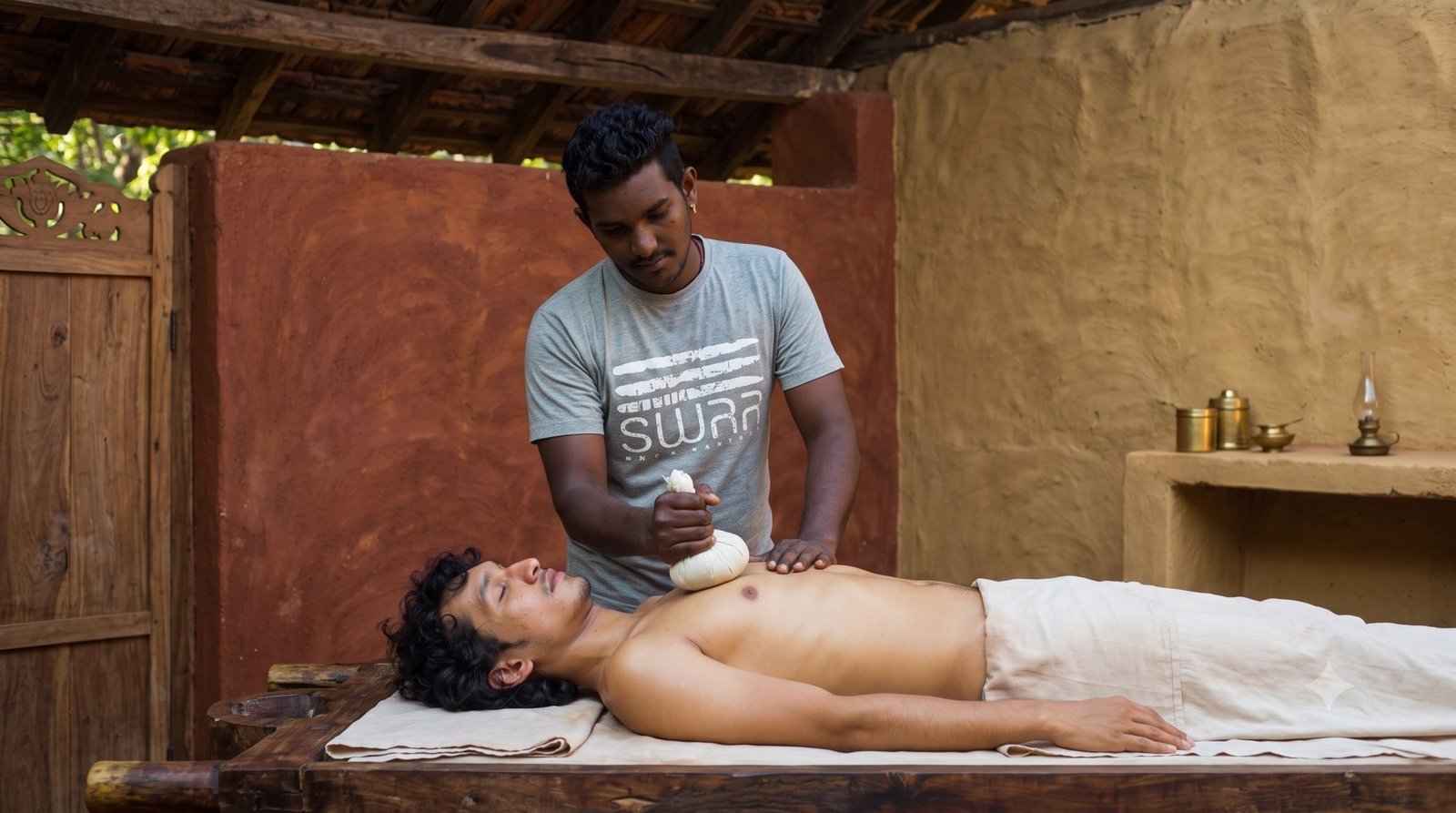
Ayurvedic therapies may include Abhyanga, Shirodhara or Kizhi, a traditional herbal poultice treatment, when indicated. These treatments are not automatically included in every package, and their suitability should be established through the consultation and treatment plan.
Meals are prepared within a vegetarian kitchen, with attention to freshness and the dietary recommendations appropriate to the programme. During certain stages, simpler foods may be advised. Guests are also encouraged to allow time for rest and quiet reflection, without feeling obliged to fill every part of the day with activity.
A residential routine can help reduce the distractions of ordinary life and create space to concentrate on the treatment experience. The precise daily schedule, however, remains flexible enough to accommodate the individual's needs and the therapies prescribed.
Choosing the Right Duration for Your Panchakarma Kur
SWAN Ayurveda offers residential Panchakarma programmes of 14, 21 and 28 days. The appropriate duration depends on the individual's health, the therapies prescribed, the time required for preparation and recovery, and the physician's assessment.
A 14 day Panchakarma Kur may suit certain treatment plans, while a 21 day stay provides more time for selected therapies and a broader residential routine. A 28 day programme may be considered when a longer period is appropriate. These durations are options rather than guarantees of a particular outcome, and no single length is suitable for everyone.
When comparing a Panchakarma Kur package in India, look beyond the number of treatments or the advertised price. It is worth understanding how the initial consultation works, who prescribes the procedures, which therapies and meals are included, how the programme is adapted to individual needs and what guidance is available after the stay.
The value of a traditional Panchakarma Kur lies in the coherence of the programme and the care taken in selecting and supervising the treatments, not simply in the number of therapies offered.
Begin Your Panchakarma Kur at SWAN Ayurveda
Choosing an authentic Panchakarma Kur is a decision that deserves careful consideration. A suitable programme should provide an individual Ayurvedic assessment, appropriate therapies, a supportive residential environment and clear guidance about preparation, recovery and continuing care.
At SWAN Ayurveda in Assagao, North Goa, our residential programmes bring together traditional Ayurvedic therapies, prescribed dietary measures and supportive Hatha Yoga practices in a setting designed for a quieter and more focused daily routine.
Whether you are considering a 14, 21 or 28 day Panchakarma Kur, we encourage you to discuss your needs with our team before selecting a programme. This allows us to explain the available options, accommodation, consultation process and the information needed to determine whether a residential stay is appropriate for you.
To enquire about current programme dates and availability, visit our Contact Us page, email info@swanayurveda.com or call +91 8007 360 677.
Frequently Asked Questions About Panchakarma Kur in India
1. What is a Panchakarma Kur package in India?
A Panchakarma Kur package is a structured residential Ayurvedic programme involving an individual consultation, selected traditional therapies, dietary guidance and a period of recovery. The treatment plan is determined according to the person's needs and the physician's assessment.
2. What does the term Kur mean in Ayurveda?
Kur is used in some European wellness contexts to describe a structured course of therapeutic treatment. In this article, Panchakarma Kur refers to a residential programme centred on traditional Ayurvedic Panchakarma and related therapies.
3. What is included in a Panchakarma Kur package at SWAN Ayurveda?
The exact inclusions depend on the package and treatment plan. Residential programmes may include accommodation, Ayurvedic consultations, prescribed therapies, medicated oils or preparations, vegetarian meals and supportive Hatha Yoga. Confirm the current inclusions with our team before booking.
4. How long should a Panchakarma Kur last?
SWAN Ayurveda offers 14, 21 and 28 day residential options. The appropriate duration depends on the person's condition, the procedures selected and the time required for preparation and recovery. The physician can advise on the most suitable option.
5. Why choose Goa for a Panchakarma Kur in India?
Goa offers a tropical setting and a variety of residential wellness facilities. SWAN Ayurveda is situated in the green village of Assagao, North Goa, where guests can step away from busy routines. The setting can support a restful stay, although the climate does not guarantee a particular treatment outcome.
6. Are the physicians at SWAN Ayurveda qualified?
Ayurvedic consultations and treatment plans should be provided by appropriately qualified Ayurvedic physicians. Please confirm the current practitioners' qualifications and professional details with SWAN Ayurveda when enquiring about a programme.
7. What is Nadi Pariksha?
Nadi Pariksha is a traditional Ayurvedic method of pulse assessment. It may form part of the consultation and is used within the Ayurvedic framework to help evaluate patterns of balance and imbalance. It should not replace appropriate medical investigations when required.
8. What are the five classical Panchakarma procedures?
The five principal procedures are Vamana, Virechana, Basti, Nasya and Raktamokshana. Each has distinct traditional indications, and the physician determines whether any of them are appropriate for the individual.
9. Is every guest given all five Panchakarma procedures?
No. The procedures are selected according to the person's constitution, age, strength, medical history and current condition. Some procedures may be unsuitable, and not every residential Panchakarma Kur includes all five.
10. What is Purvakarma?
Purvakarma is the preparatory stage used before selected Panchakarma procedures. Depending on the treatment plan, it may involve Snehana, Swedana and other prescribed measures intended to prepare the person for the principal procedure.
11. Why is medicated ghee used during some Panchakarma programmes?
Medicated ghee may be used for internal oleation in selected traditional Ayurvedic protocols. Within Ayurveda, it is regarded as a preparatory measure in particular circumstances. It is not suitable for everyone, and its use, quantity and duration should be determined by the physician.
12. Can Panchakarma Kur help with chronic health concerns?
People with digestive complaints, joint discomfort, skin conditions, metabolic concerns or persistent fatigue may enquire about Ayurvedic care. Whether a particular Panchakarma procedure is suitable, and what benefits might reasonably be expected, requires individual assessment. Panchakarma should not be presented as a guaranteed cure or a replacement for necessary medical treatment.
13. What type of food is served during a Panchakarma Kur?
Meals are vegetarian and prepared according to the residential programme's dietary approach. Depending on the stage of treatment and individual needs, the physician may recommend simpler meals, including Kitchari. The precise diet varies from person to person.
14. Can beginners participate in the daily Yoga sessions?
Yes, suitable practices may be adapted for beginners. The sessions can include gentle Hatha Yoga, appropriate asanas, breathing practices or relaxation, depending on the individual's condition and the advice provided during the programme.
15. Is Panchakarma painful?
The experience varies according to the procedure and the individual. Some treatments, such as selected oil applications, may feel relaxing, while elimination procedures can be physically demanding and may cause discomfort or fatigue. The physician should explain the likely experience, potential risks and signs that need attention before treatment begins.
16. Will I lose weight during a Panchakarma Kur?
Weight changes may occur during a residential programme because of changes in diet, activity, fluid balance and other factors. Weight loss is not guaranteed, nor should it be regarded as proof that toxins have been eliminated. The primary objective should be an appropriate, individually assessed treatment plan.
17. Can I explore Goa while undergoing a Panchakarma Kur?
The amount of activity suitable during the programme depends on the treatments and the person's condition. A busy sightseeing schedule may conflict with the rest and routine recommended during some stages. Discuss excursions with the treating physician before making plans.
18. What is Shirodhara, and is it included in the package?
Shirodhara is a traditional Ayurvedic treatment in which a steady stream of a suitable liquid, often oil, is directed over the forehead. It may be recommended in selected circumstances, but it is not automatically included in every Panchakarma Kur package. Confirm its availability and suitability during the consultation.
19. What should I pack for my Panchakarma Kur?
Bring comfortable clothing, preferably items that can tolerate possible oil stains, simple footwear and relevant medical records. It is useful to carry a list of current medicines and supplements, details of significant medical conditions and any information requested by the retreat team.
20. Can I continue taking Western prescription medicines during Panchakarma?
Prescription medicines must be discussed with both the treating Ayurvedic physician and, where appropriate, the prescribing clinician. Some medicines or health conditions may affect the suitability of particular procedures. Never stop or change prescribed medication without consulting the clinician responsible for your care.
21. Are solo travellers welcome at SWAN Ayurveda?
Independent travellers can enquire about residential stays at SWAN Ayurveda. Before booking, discuss accommodation, the daily routine, available support and any individual requirements with the team.
22. How do I book a Panchakarma Kur package at SWAN Ayurveda?
Visit our Contact Us page, email info@swanayurveda.com or call +91 8007 360 677. Our team can explain the current residential options and the information needed for an initial enquiry. Suitability for specific procedures should be established through an appropriate consultation.