Panchakarma is one of the most important therapeutic approaches within the traditional system of Ayurveda. For centuries, Ayurvedic physicians have used carefully planned purification therapies as part of a broader approach to restoring balance, supporting digestion and preparing the body for rejuvenation. Today, Panchakarma has become increasingly sought after by people looking for a more structured Ayurvedic retreat experience away from the pressures of modern life.
If you are searching for an affordable Panchakarma package in Goa, India, it is important to look beyond the price alone. Genuine Panchakarma is not simply a collection of relaxing oil massages or a short detox holiday. It is a traditional Ayurvedic therapeutic process that should be planned according to the individual's constitution, current condition, digestive capacity and therapeutic needs.
At SWAN Ayurveda, located in the peaceful heritage village of Assagao in North Goa, Panchakarma is offered within a traditional residential Ayurveda setting. The approach combines classical Ayurvedic therapies with appropriate Hatha Yoga, Pranayama, meditation, rest and a carefully considered Ayurvedic diet.
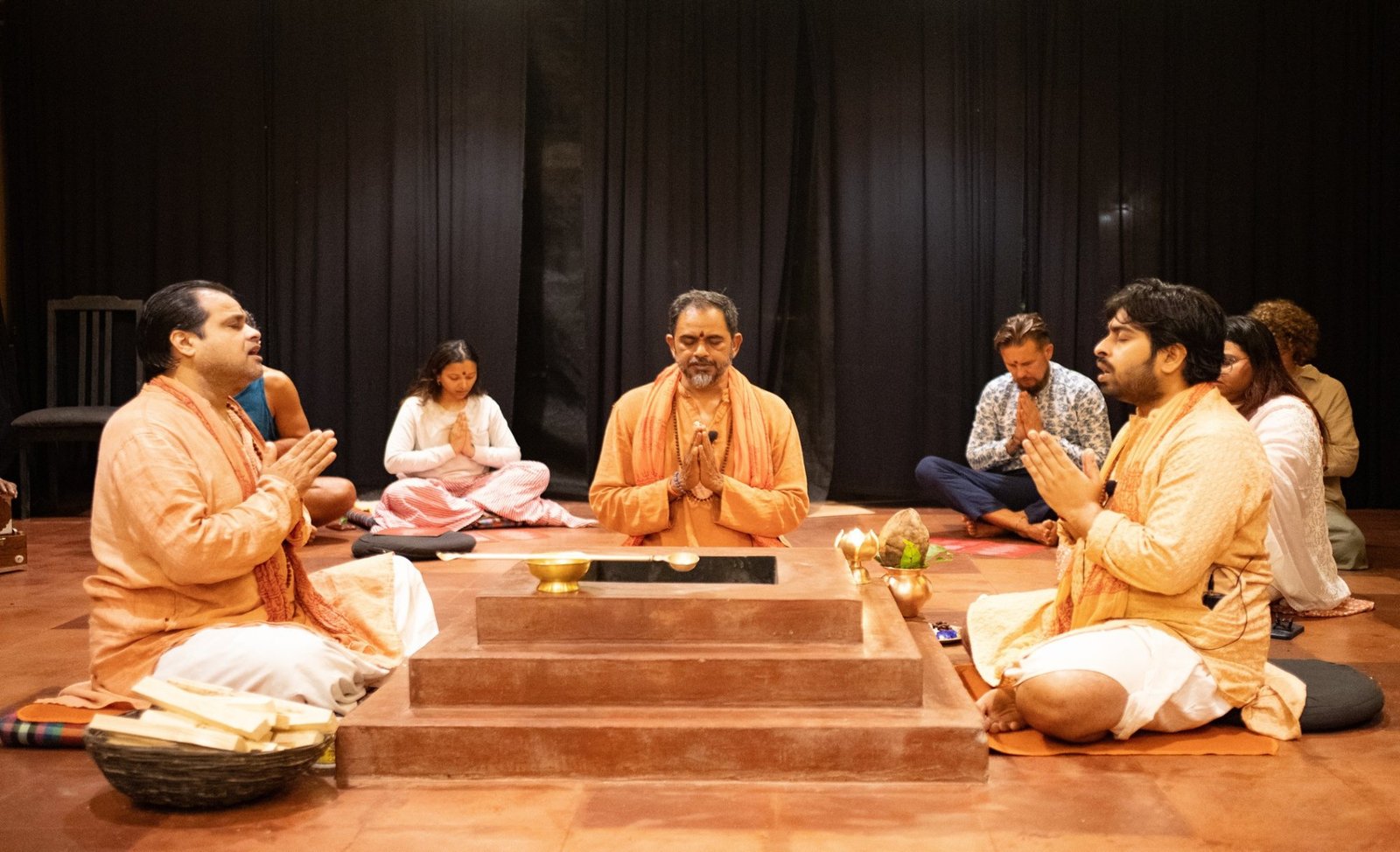
What Is Panchakarma?
The Sanskrit word Panchakarma means “five actions.” Within Ayurveda, it refers to a group of classical therapeutic procedures traditionally used for purification and the management of Dosha imbalances.
Ayurveda understands health through the relationship between the three Doshas, Vata, Pitta and Kapha, together with Agni, the digestive and metabolic principle, the Dhatus or tissues, the Malas or waste products, and the individual's Prakriti and Vikriti.
Ama is another important concept in Ayurveda. It is traditionally described as a form of improperly processed or accumulated material associated with impaired digestion and metabolism. It should not simply be equated with modern ideas of environmental toxins or described as a scientifically established substance that accumulates throughout the body.
Panchakarma therefore should not be understood as a generic “detox” in the modern commercial sense. It is a traditional Ayurvedic therapeutic process intended to support the restoration of balance through carefully selected procedures.
The treatment plan varies considerably from one person to another. Not every person requires every Panchakarma procedure, and the therapies should be selected by a qualified Ayurvedic physician following an appropriate consultation.
For more about the philosophy and approach behind SWAN Ayurveda, visit our About Us page.
The Five Actions of Panchakarma
The classical five actions associated with Panchakarma are Vamana, Virechana, Basti, Nasya and Raktamokshana. Their application differs between Ayurvedic traditions and according to the individual's condition, and not every Panchakarma programme includes all five.
Vamana is therapeutic emesis and is traditionally used in specific conditions associated with aggravated Kapha. It is a specialised procedure that should only be undertaken when considered appropriate by an Ayurvedic physician and under proper supervision.
Virechana is therapeutic purgation traditionally associated with the management of aggravated Pitta and conditions involving the digestive system and related tissues. As with all Panchakarma procedures, its use requires individual assessment.
Basti involves the administration of medicated preparations through the rectal route and occupies a particularly important place in classical Ayurveda, especially in therapies directed towards Vata. Basti is not simply an herbal enema but a specialised therapeutic procedure whose formulation and administration depend on the individual's condition.
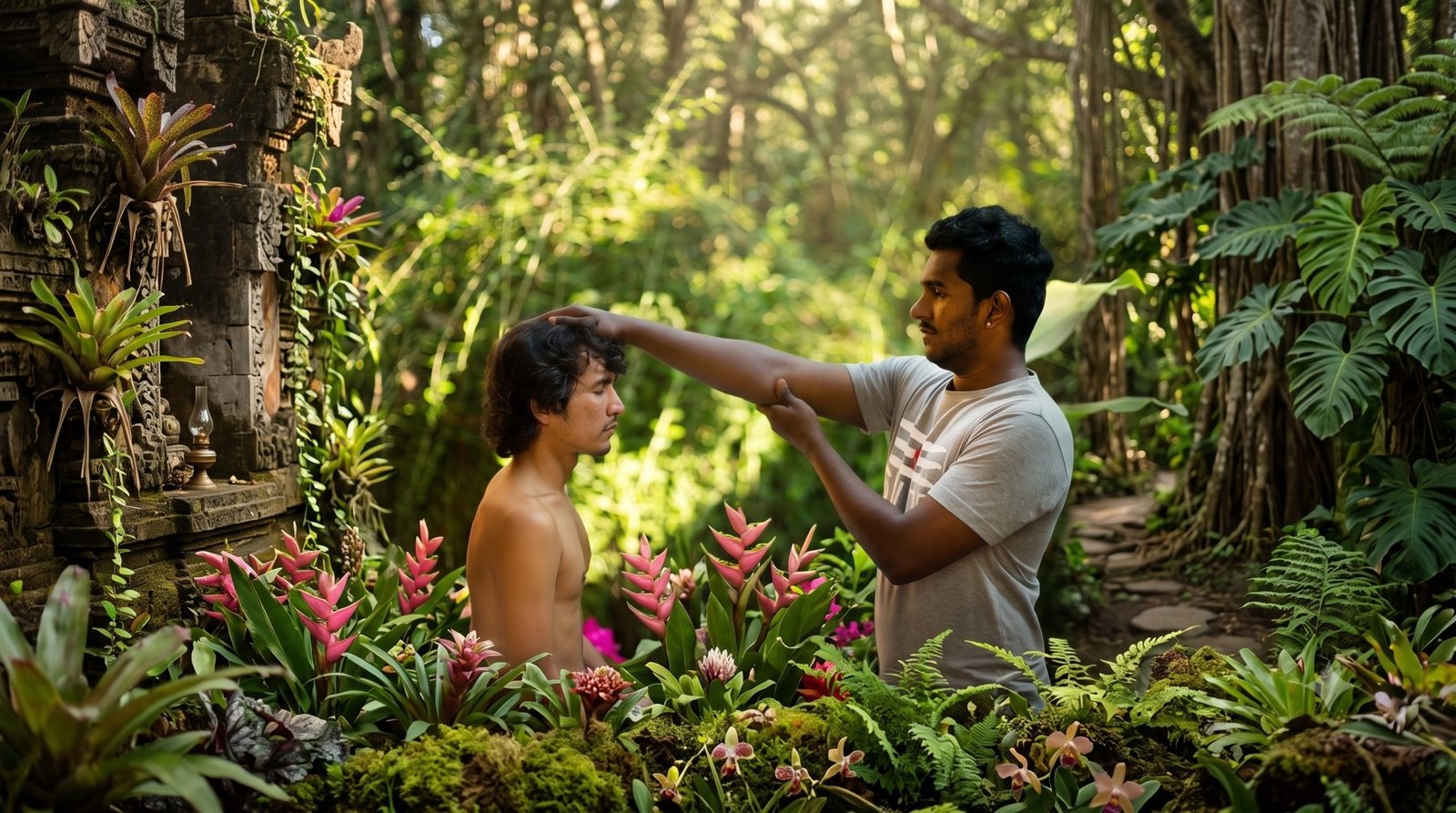
Nasya involves the administration of appropriately prepared medicines through the nasal passages. In Ayurveda it is traditionally associated with conditions affecting the region above the clavicle, including the head, neck and sensory organs.
Raktamokshana, traditionally associated with bloodletting, appears in classical Ayurvedic literature as a specialised therapeutic procedure. Its use today depends on the Ayurvedic tradition, clinical circumstances and appropriate medical and regulatory considerations.
A responsible Panchakarma retreat does not attempt to perform every procedure simply because they belong to the classical list. The treatment should be determined by the physician.
For a more detailed explanation of Panchakarma at SWAN Ayurveda, visit our Panchakarma page.
What Makes an Affordable Panchakarma Package Valuable?
When comparing an affordable Panchakarma package in Goa, it is tempting to compare only the number of treatments or the price of the programme. A more useful question is what is actually included and whether the programme follows a genuine therapeutic structure.
Traditional Panchakarma involves preparation, the appropriate main therapeutic procedures and a period of recovery afterwards. The length of a residential programme therefore matters. At SWAN Ayurveda, Panchakarma programmes are structured around 14, 21 and 28 day stays, allowing sufficient time for assessment, preparation, treatment and recovery.
The value of a Panchakarma retreat should also be considered in terms of the experience as a whole. Ayurvedic consultations, therapies, diet, accommodation, rest and appropriate Yoga practices all form part of the residential environment.
Ayurvedic Consultation and Individual Assessment
Panchakarma is not intended to be identical for every guest.
An Ayurvedic physician first needs to understand the person's constitution, current condition, digestive capacity, lifestyle, medical history and presenting concerns. The traditional concepts of Prakriti and Vikriti are central to this assessment.
Nadi Pariksha, or Ayurvedic pulse examination, may form part of the consultation, together with observation, questioning and other traditional methods of assessment.
The resulting programme can determine which therapies are appropriate, what medicines or oils may be used, what kind of diet is suitable and how much physical activity is advisable during the retreat.
This individual approach is one of the fundamental differences between traditional Panchakarma and a standard commercial detox programme.
Panchakarma in Assagao, Goa
Goa has become an increasingly popular destination for people seeking Ayurveda and residential wellness experiences in India. Yet the location matters for reasons beyond tourism.
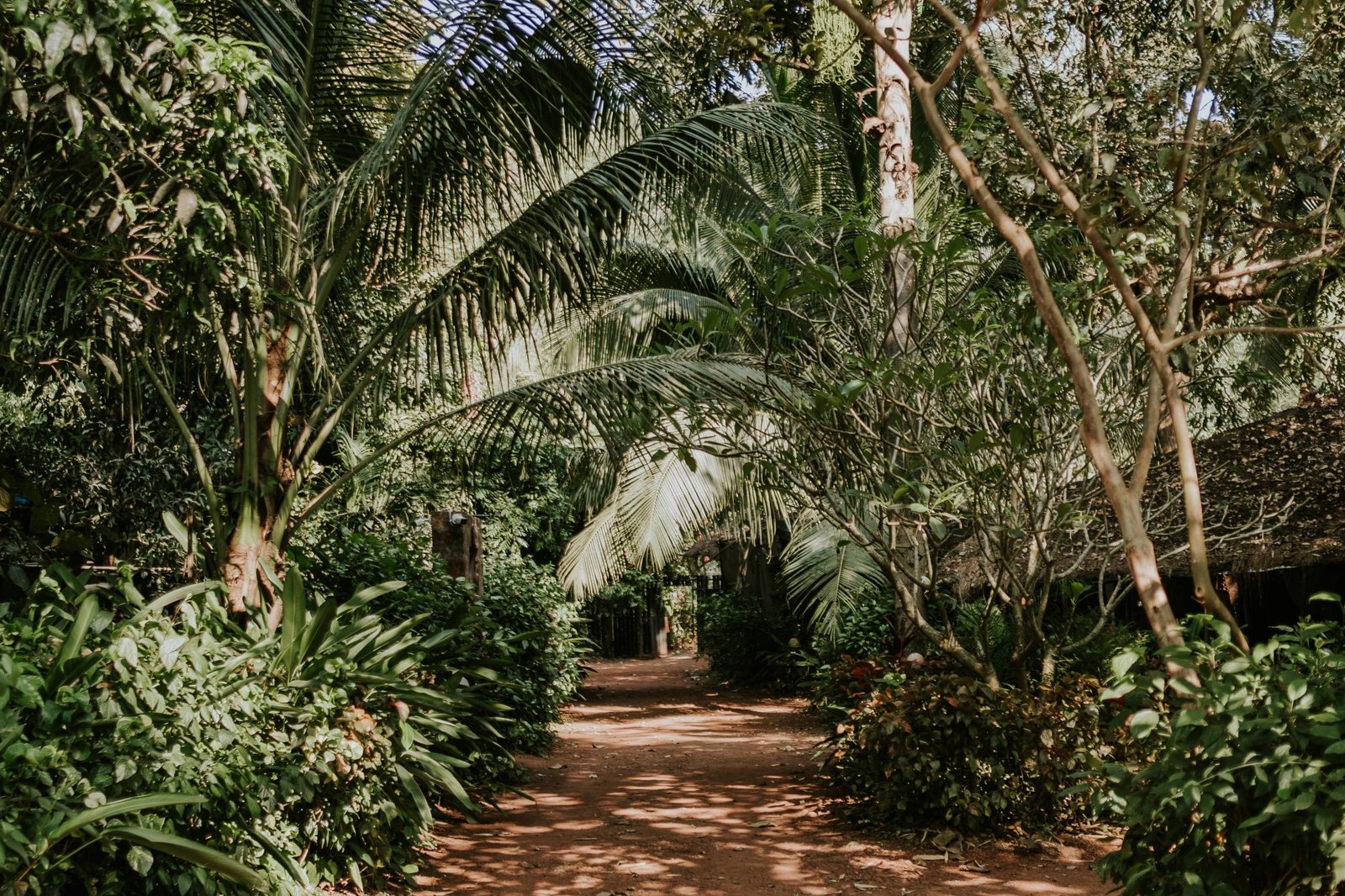
SWAN Ayurveda is situated in Assagao, a green village in North Goa away from the intensity of the main tourist areas. The residential setting provides an opportunity to slow down and create a daily rhythm centred around treatment, appropriate Yoga practice, food, rest and quiet.
The tropical environment of Goa creates a naturally warm setting that many people find comfortable during Ayurvedic therapies. However, the climate should not be presented as a substitute for the therapeutic process itself. The quality of Panchakarma depends primarily on appropriate assessment, treatment, diet, supervision and recovery.
For someone looking for an Ayurveda retreat in Goa or a Panchakarma retreat in North Goa, the residential environment can be as important as the individual therapies.
Ayurveda and Hatha Yoga Together
Ayurveda and Yoga are traditionally regarded as closely related Indian sciences, although they have different primary purposes and philosophical frameworks.
Ayurveda is concerned with maintaining health and addressing imbalance through diet, lifestyle, medicines and therapeutic procedures. Yoga offers a systematic approach to working with body, breath, senses and mind.
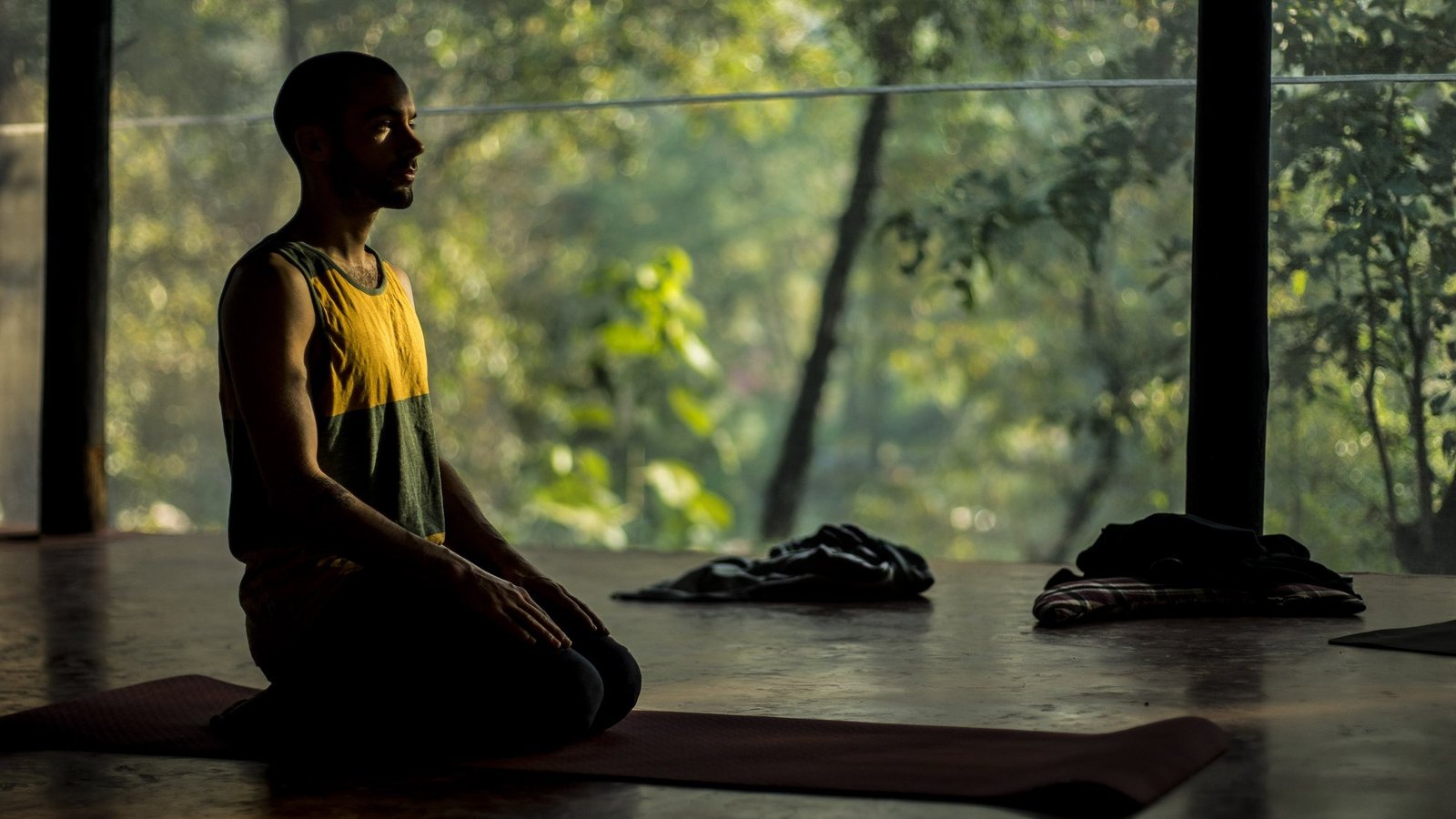
At SWAN Ayurveda, appropriate traditional Hatha Yoga, Pranayama and meditation can complement the Ayurvedic programme. During Panchakarma, however, practice is adapted to the individual's condition. Intensive physical Yoga is not necessarily appropriate during every stage of treatment.
The intention is to support awareness, steadiness and relaxation rather than turn Panchakarma into a physically demanding retreat.
This combination of Ayurveda and traditional Yoga is one of the distinctive aspects of a residential experience at SWAN.
Ayurvedic Diet During Panchakarma
Food is an important part of Ayurvedic treatment.
During Panchakarma, the digestive system is given particular attention, and the diet may become progressively lighter depending on the stage of treatment and the individual's needs. Kitchari and other easily digestible preparations may be used during specific phases.
The traditional Ayurvedic understanding of Agni, or digestive fire, plays an important role in determining what and how much a person should eat.
After certain therapeutic procedures, food is gradually reintroduced through a process traditionally known as Samsarjana Krama. This gradual return to normal eating is an important part of the recovery process and should not be overlooked.
A Panchakarma programme is therefore not simply about receiving treatments. Food, rest and daily routine are all part of the therapeutic environment.
The Three Stages of Panchakarma
A traditional Panchakarma programme is commonly understood through three broad stages: Purvakarma, Pradhanakarma and Paschatkarma.
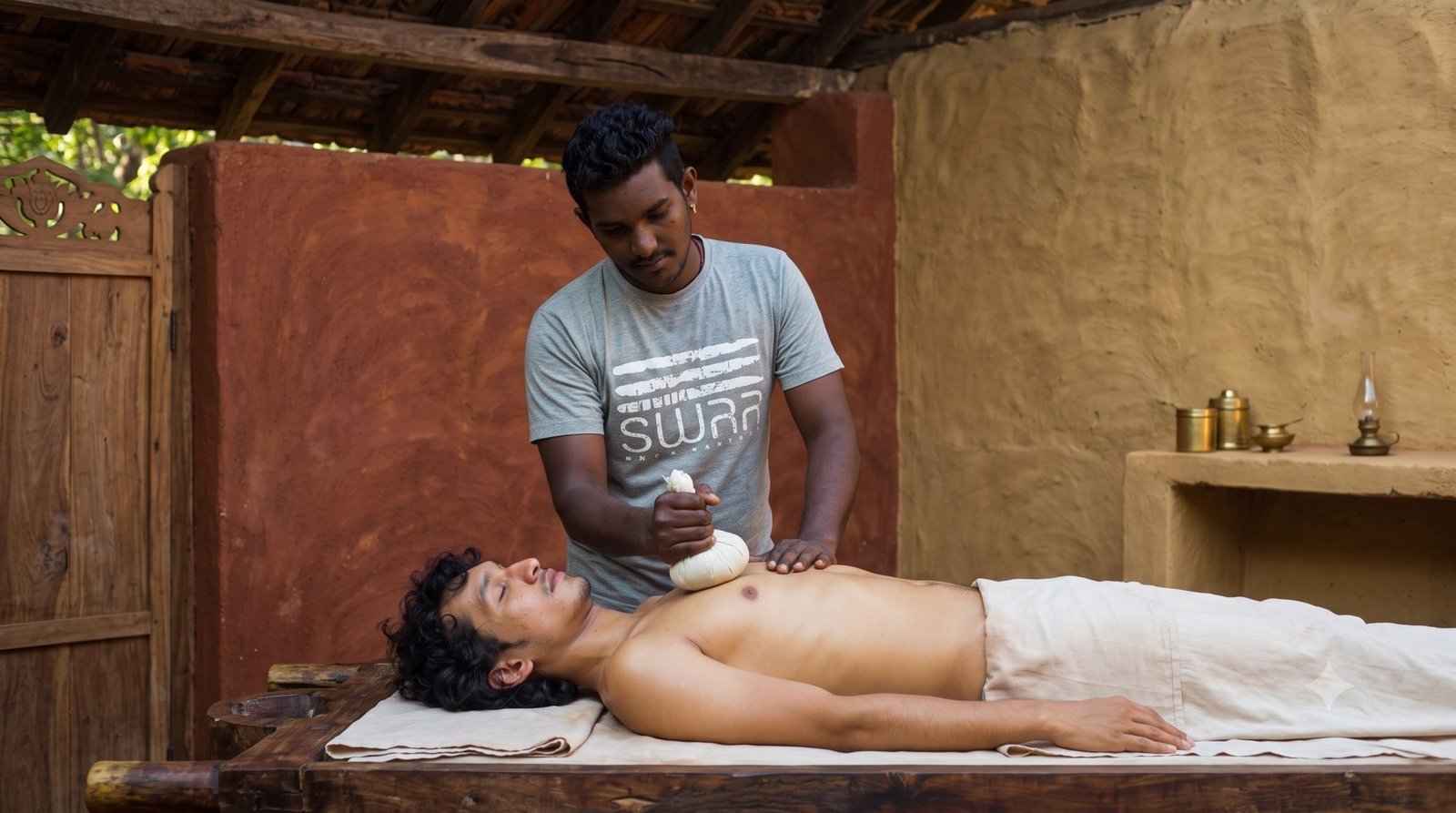
Purvakarma is the preparatory stage. Its purpose is to prepare the body for the main therapeutic procedures. Depending on the individual and the treatment plan, it can include Snehana, or oleation, and Swedana, or therapeutic sweating. Internal oleation may also be prescribed by the physician when appropriate.
The preparation is important because Panchakarma is not simply a matter of suddenly beginning an elimination procedure. The body needs to be appropriately prepared, and the treatment must be matched to the individual's condition.
Pradhanakarma refers to the principal therapeutic stage. The specific procedure used depends on the individual's Dosha imbalance, constitution, strength, condition and treatment objectives. This is the stage in which the physician's supervision becomes particularly important.
Paschatkarma is the period following the main treatment. The body is considered to require time to recover and gradually return to its normal routine. Diet is therefore reintroduced carefully, and Rasayana or rejuvenative measures may be recommended according to the individual's needs.
This final stage is an important part of traditional Panchakarma and is one reason why a properly structured residential programme requires sufficient time.
Why Choose a Residential Panchakarma Retreat?
One of the greatest difficulties of undertaking an intensive Ayurvedic programme while continuing ordinary life is maintaining the required rhythm of treatment, food, rest and reduced activity.
A residential Panchakarma retreat in Goa creates a different environment.
Instead of returning each evening to work, traffic, social commitments and household responsibilities, the guest can remain within a setting designed around the therapeutic process.
At SWAN Ayurveda, the residential programme brings together Ayurvedic consultations, therapies, food, rest and appropriate Yoga practices within the same environment.
The intention is not to create an artificial luxury experience. It is to create the conditions in which traditional Ayurveda can be practised with sufficient time and attention.
How Long Should Panchakarma Last?
There is no single duration that is correct for every person. The appropriate length depends on the individual's condition, strength, treatment plan and the therapies being undertaken.
Residential Panchakarma programmes are commonly structured over several weeks because the process includes preparation, treatment and recovery rather than simply a few days of massage.
At SWAN Ayurveda, programmes are offered over 14, 21 and 28 days. A 21 day programme provides more time for the complete process, but the appropriate duration should ultimately be determined through consultation with the Ayurvedic physician.
Is Panchakarma Suitable for Everyone?
Panchakarma is a specialised therapeutic approach and should not be treated as a universal wellness treatment.
A person may be advised to postpone or avoid particular procedures depending on age, strength, pregnancy, medical conditions, medications and other circumstances. This is why proper consultation is essential before beginning treatment.
People taking prescription medicines should disclose all medications to the Ayurvedic physician. Ayurveda and conventional medical care may sometimes be used alongside one another, but this should be managed responsibly and never assumed to be automatically safe.
Panchakarma should always be undertaken under the supervision of an appropriately qualified practitioner.
Frequently Asked Questions About Panchakarma
What is an affordable Panchakarma package in Goa, India?
An affordable Panchakarma package should offer genuine Ayurvedic care at a transparent price without reducing the quality of consultation, treatment, food or accommodation. At SWAN Ayurveda, residential programmes combine Ayurvedic therapies, physician guidance, accommodation, Ayurvedic meals and appropriate Yoga practices.
How long does a Panchakarma programme take?
The duration depends on the individual's condition and treatment plan. SWAN Ayurveda offers residential programmes of 14, 21 and 28 days. Longer stays allow more time for preparation, treatment and recovery.
What does Panchakarma actually involve?
Panchakarma is a structured Ayurvedic therapeutic process rather than a single treatment. Depending on the individual, it can involve preparatory therapies, one or more principal purification procedures and a carefully managed period of recovery.
What are the five actions of Panchakarma?
The classical five actions are Vamana, Virechana, Basti, Nasya and Raktamokshana. They have different therapeutic purposes, and not every person undergoing Panchakarma will receive all five.
What is the difference between Panchakarma and a modern detox retreat?
Panchakarma is rooted in the classical Ayurvedic understanding of Doshas, Agni, Prakriti and Vikriti. It involves individual assessment and traditionally includes preparation, specific therapeutic procedures and post treatment recovery. A commercial detox programme may not follow this structure.
What happens during the preparation phase?
Purvakarma prepares the body for the principal therapies. Depending on the individual's treatment plan, it may include Snehana, or oleation, and Swedana, or therapeutic sweating. Internal oleation may also be prescribed when appropriate.
What is Vamana?
Vamana is therapeutic emesis, traditionally used in specific circumstances associated with aggravated Kapha. Because it is a specialised procedure, it should only be performed when considered appropriate by an Ayurvedic physician.
What is Virechana?
Virechana is therapeutic purgation traditionally associated with Pitta related conditions. The medicines and method are selected according to the individual's Ayurvedic assessment.
What is Basti?
Basti is a specialised Ayurvedic therapy involving the administration of medicated preparations through the rectal route. It has a particularly important role in traditional Ayurvedic approaches to Vata related conditions.
What is Nasya?
Nasya involves the administration of appropriately prepared medicines through the nasal passages. In Ayurveda it is traditionally used for conditions involving the head, neck and sensory organs.
What is Nadi Pariksha?
Nadi Pariksha is a traditional Ayurvedic pulse examination used as part of the broader process of understanding an individual's condition. It is considered alongside medical history, observation and other forms of assessment.
What is a Sattvic diet during Panchakarma?
A Sattvic diet traditionally emphasises fresh, light and easily digestible food. During Panchakarma, however, the diet is adapted to the stage of treatment and the individual's digestive capacity, often including simple preparations such as Kitchari.
Why is Agni important in Ayurveda?
Agni refers to the principle of digestion and metabolism in Ayurveda. Healthy Agni is considered fundamental to maintaining balance, and dietary and therapeutic decisions during Panchakarma are often made with the individual's digestive capacity in mind.
What is Samsarjana Krama?
Samsarjana Krama is the traditional gradual reintroduction of food following certain intensive Ayurvedic purification procedures. The process allows digestion to recover progressively rather than returning immediately to a normal diet.
What is Paschatkarma?
Paschatkarma refers to the period following the main Panchakarma procedures. It focuses on recovery, appropriate diet and the gradual return to normal activity. Rejuvenative measures may also be recommended.
Can healthy people undergo Panchakarma?
Panchakarma may be appropriate for some people seeking preventive Ayurvedic care, but it is not necessary or suitable for everyone. An Ayurvedic physician should determine whether the treatment is appropriate.
Can Panchakarma help with chronic health conditions?
Ayurveda traditionally uses Panchakarma as part of treatment for a range of health conditions. However, results vary between individuals and it should not be presented as a guaranteed cure. Anyone with a diagnosed medical condition should also consult an appropriate healthcare professional.
Is Panchakarma suitable for someone taking prescription medication?
Prescription medicines should always be disclosed during the Ayurvedic consultation. Medication should never be stopped or changed simply because someone is beginning Panchakarma. Where necessary, Ayurvedic and conventional medical care should be coordinated responsibly.
Is Yoga included in Panchakarma?
At SWAN Ayurveda, appropriate traditional Hatha Yoga, Pranayama and meditation can form part of the residential programme. The intensity is adjusted according to the individual's condition and stage of treatment.
Why choose Goa for an Ayurveda retreat?
Goa combines a warm tropical environment with access to quieter natural surroundings away from the busiest tourist areas. Assagao in North Goa offers a peaceful residential setting particularly suited to those seeking Ayurveda, Panchakarma and traditional Yoga.
Can I go sightseeing during Panchakarma?
Panchakarma is intended to be a period of reduced activity and therapeutic focus. Extensive sightseeing is generally not compatible with the quieter rhythm required during intensive treatment, although individual arrangements can be discussed with the physician.
Can I use my phone during a Panchakarma retreat?
Digital use can be reduced to create a quieter environment and support rest and introspection. Practical arrangements vary, but guests are encouraged to minimise unnecessary screen time during treatment.
What should I bring to a Panchakarma retreat?
Loose and comfortable clothing is recommended, particularly because Ayurvedic oils may be used during treatments. Relevant medical records, medication information and comfortable personal items should also be brought.
Is Panchakarma painful?
The experience varies according to the therapies prescribed. Some procedures can be physically demanding or uncomfortable, while others are deeply relaxing. Proper preparation, supervision and recovery are important aspects of responsible treatment.
Can I go sightseeing during Panchakarma?
Panchakarma is intended to be a period of reduced activity and therapeutic focus. Extensive sightseeing is generally not compatible with the quieter rhythm required during intensive treatment, although individual arrangements can be discussed with the physician.
Are solo travellers welcome?
Yes. SWAN Ayurveda welcomes individual travellers as well as people arriving together. The residential environment allows guests to follow their own treatment programme while experiencing a supportive community setting.
How do I choose an Ayurveda retreat in Goa?
Look beyond price and compare the qualifications of the Ayurvedic physicians, the consultation process, treatment structure, accommodation, food and medicines provided. A genuine Panchakarma programme should be individualised rather than offering exactly the same treatment to every guest.
How do I book Panchakarma at SWAN Ayurveda?
You can contact SWAN Ayurveda through the Contact Us page to discuss availability, programme duration, accommodation and your individual requirements before making a booking.
Choosing the Right Panchakarma Retreat in Goa
Choosing a Panchakarma retreat should involve more than searching for the cheapest package.
Look at who is providing the Ayurvedic treatment, how the initial assessment is conducted, whether the programme is genuinely individualised and whether sufficient time is given to preparation and recovery. Consider the quality of the accommodation, the food, the medicines and oils used, and the experience of the physicians and therapists.
Most importantly, ask whether the centre approaches Panchakarma as a traditional Ayurvedic therapeutic process or simply uses the word “detox” as a marketing term.
At SWAN Ayurveda in Assagao, North Goa, the intention is to provide a traditional residential Ayurveda experience in which Panchakarma is approached with time, structure and individual attention. The combination of Ayurvedic therapies, appropriate Hatha Yoga, meditation, Ayurvedic food and a quiet residential environment creates the setting for a deeper engagement with the principles of Ayurveda.
For those searching for an Ayurveda retreat in Goa, a Panchakarma retreat in Goa or an affordable residential Panchakarma programme in India, the most important consideration is not simply how much the programme costs. It is what kind of Ayurvedic care that price represents