
The three packages
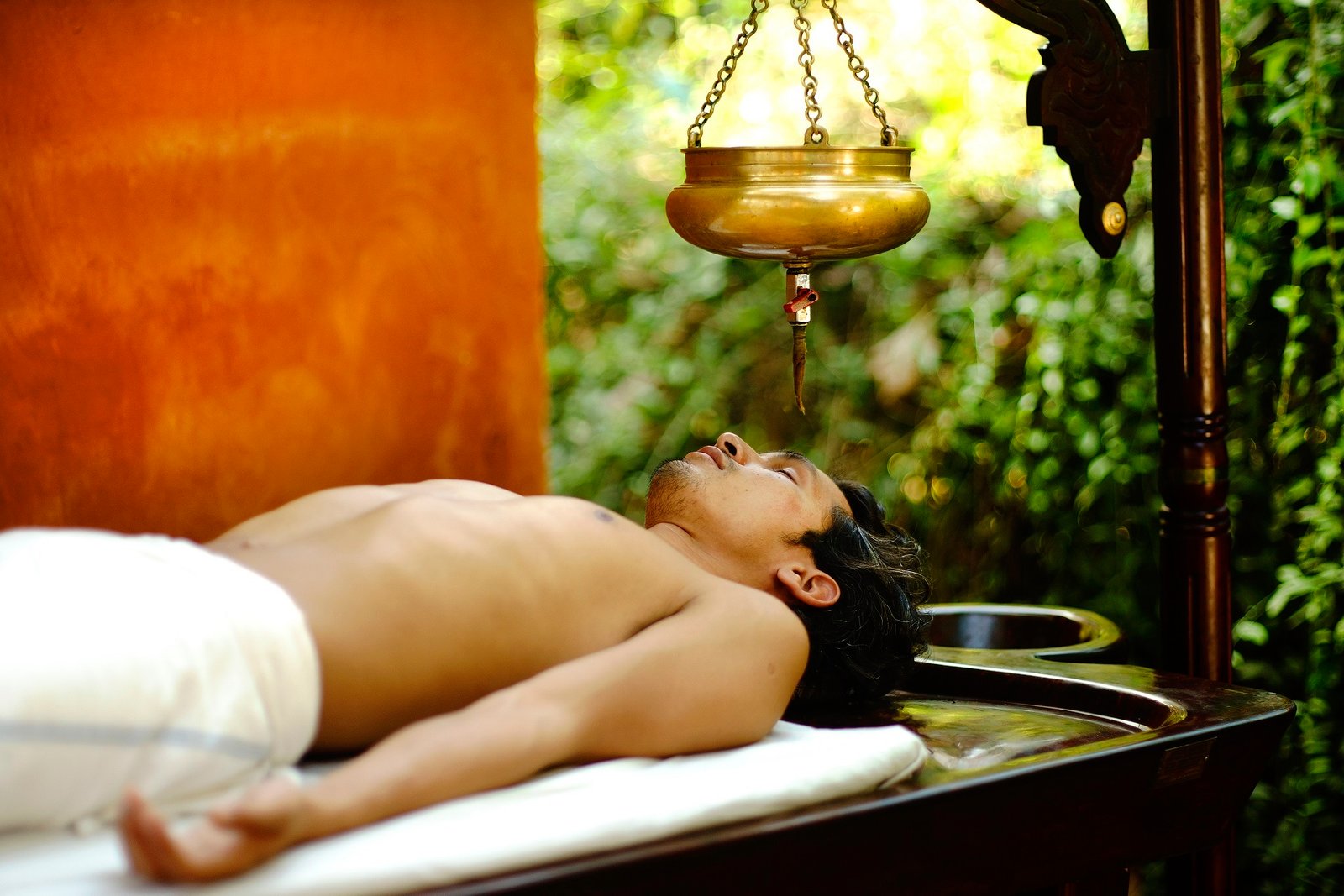
The packages run for fourteen, twenty-one and thirty days respectively. Which you choose depends upon the condition of your body and upon what you are able to give it.
Panchakarma · 2 Week
The shortest course we are willing to call Panchakarma. Fourteen days is enough to prepare the body, carry out the indicated actions, and return you rested — though not enough to reverse a condition of long standing. Most guests leave relaxed and noticeably lighter.
Watch

Panchakarma · 3 Week
The classical duration, and the one the texts intend. Twenty-one days allows preparation, purification and the graduated diet afterwards to be given their proper measure. If you are able to give the time, give it to this one.
Watch

Panchakarma · 4 Week
The fullest programme. Recommended for those seeking a complete overhaul of the body and its functions, inside out — and for those who wish to give the process the fullest time available. Individual responses vary.
Watch
Accommodation
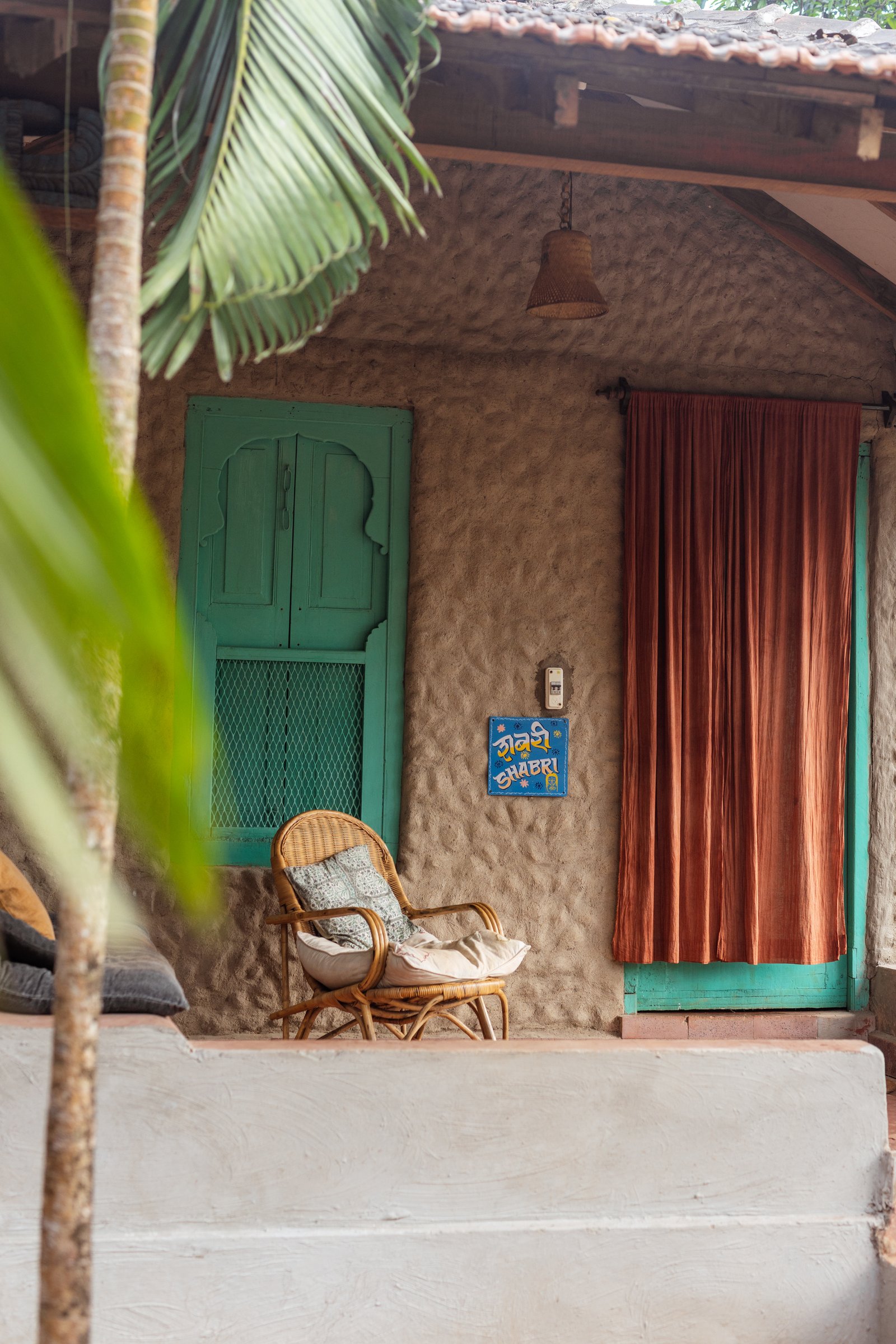
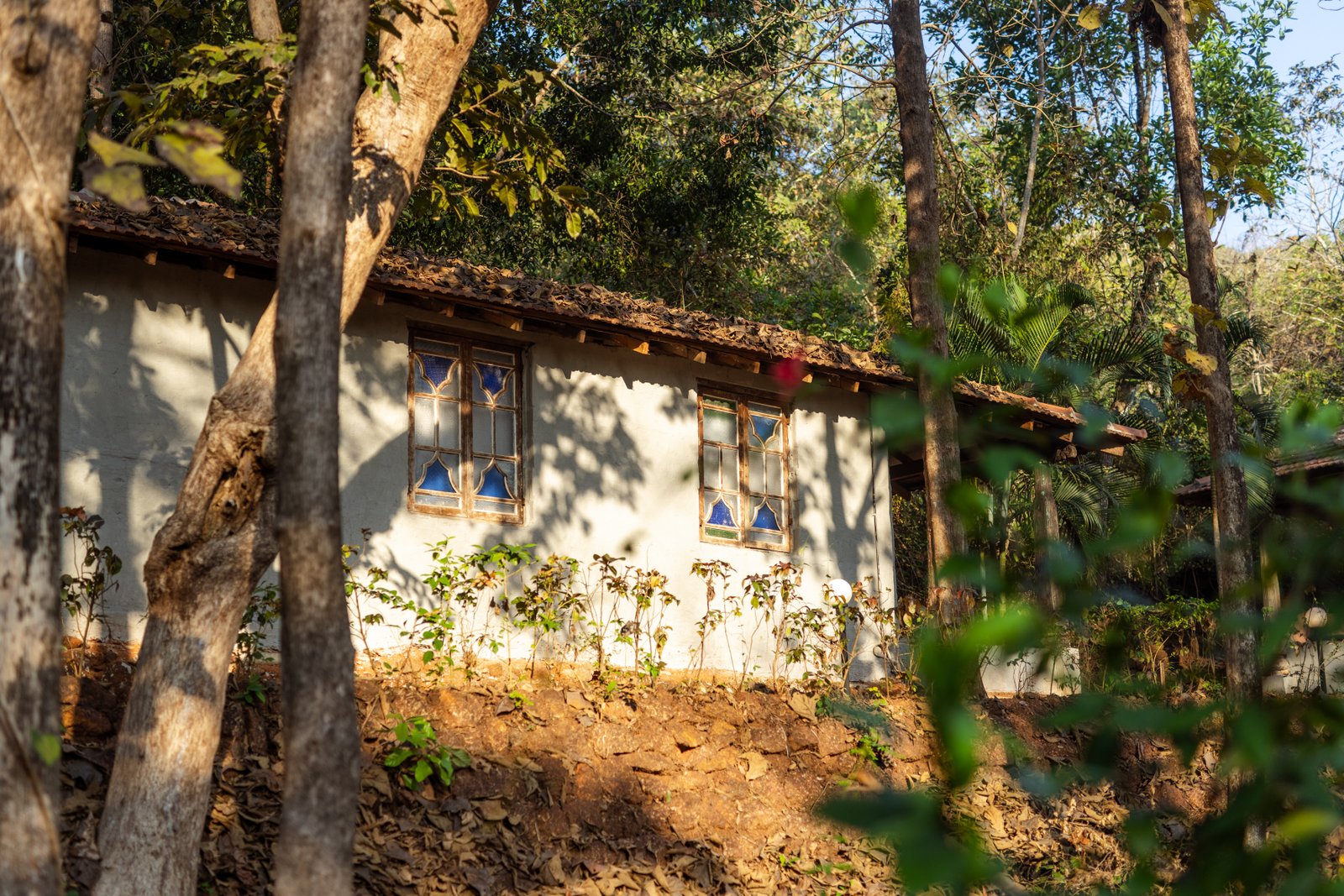
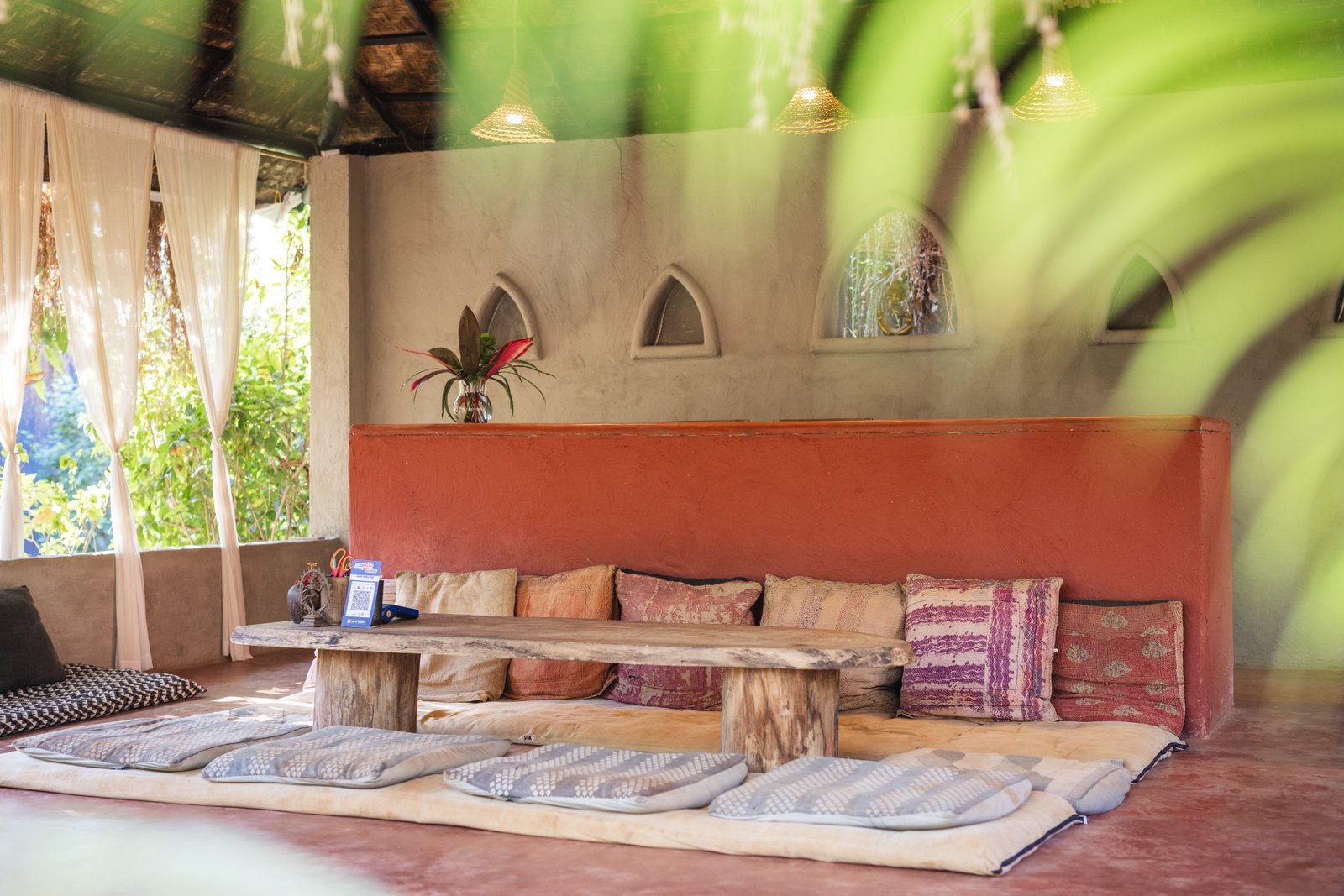
Three kinds of cottages are offered. Each package may be taken in any of them, on a double-sharing or single-occupancy basis. Click a cottage below to see its photos.
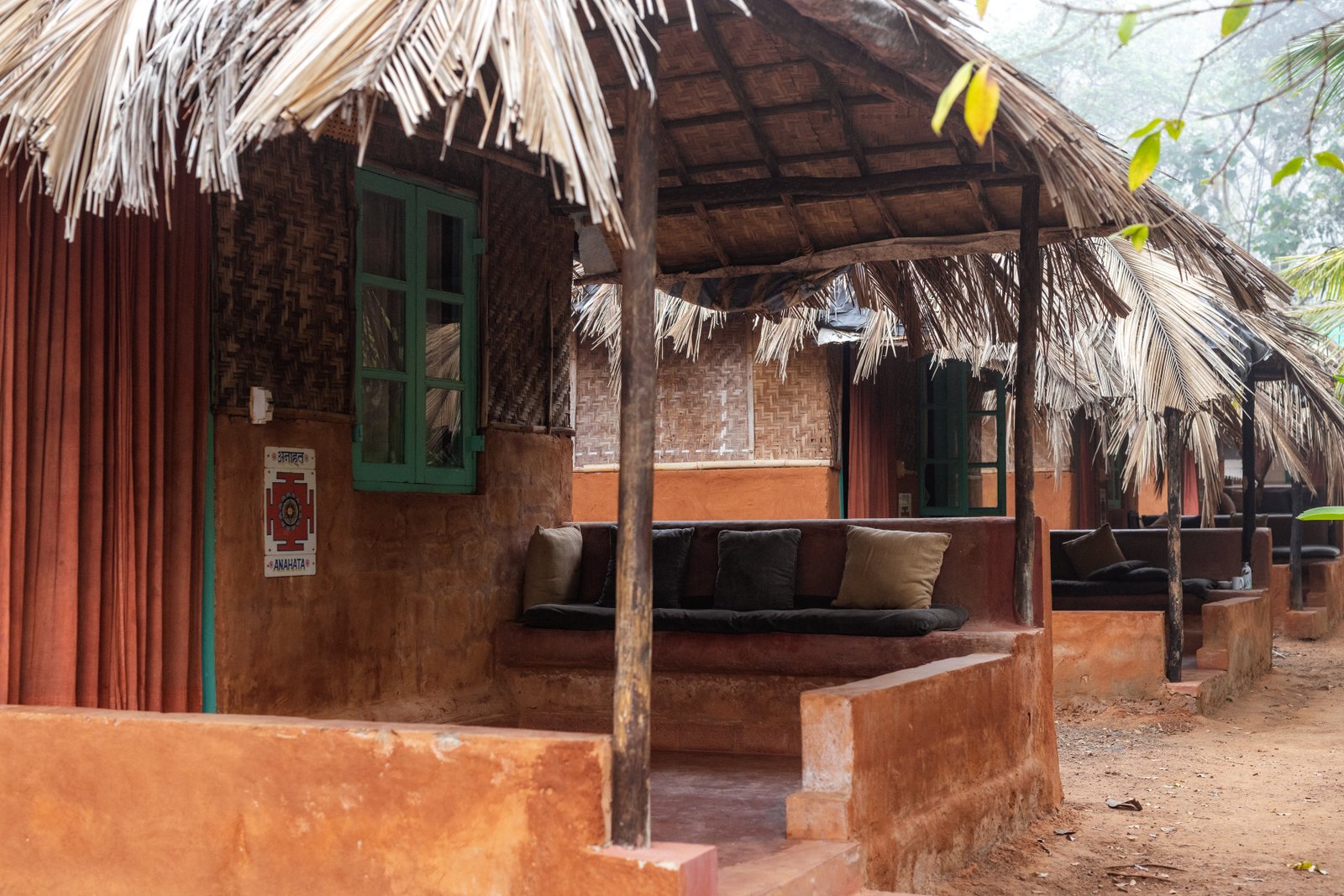
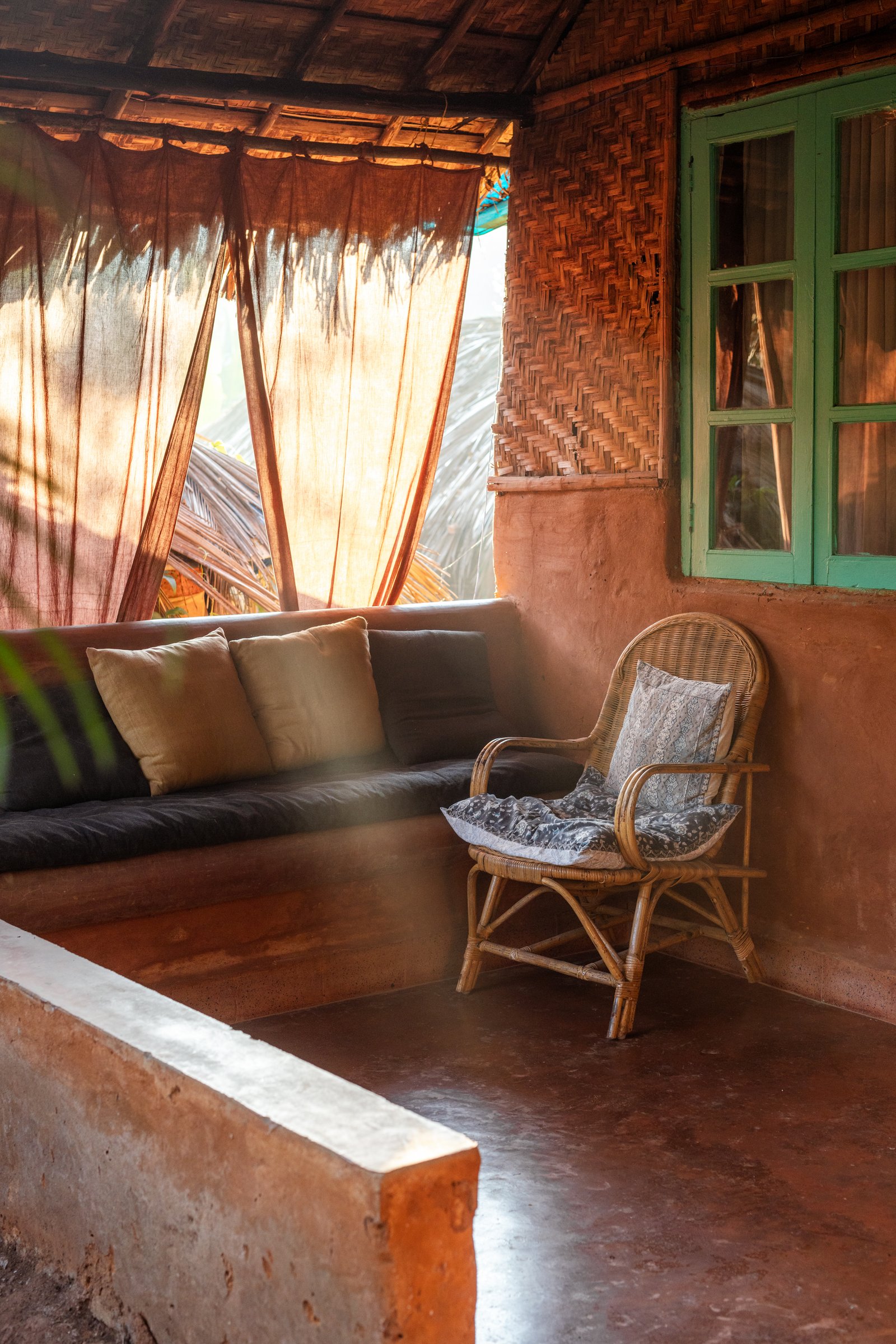 Bedroom photo — pending confirmation of the exact Budget Cottage from Swarnim
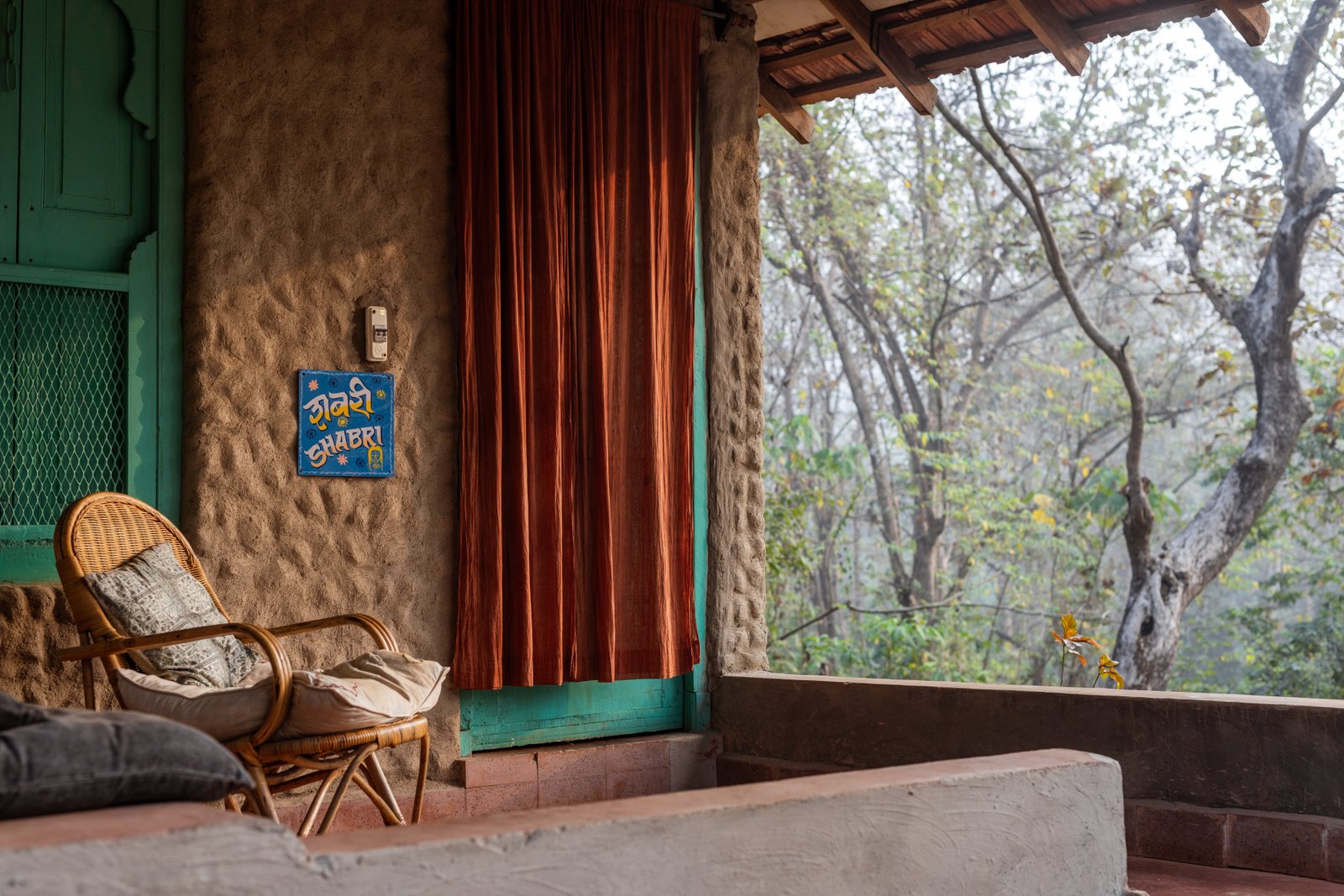
 Bedroom photo — pending confirmation of the exact Standard Cottage from Swarnim
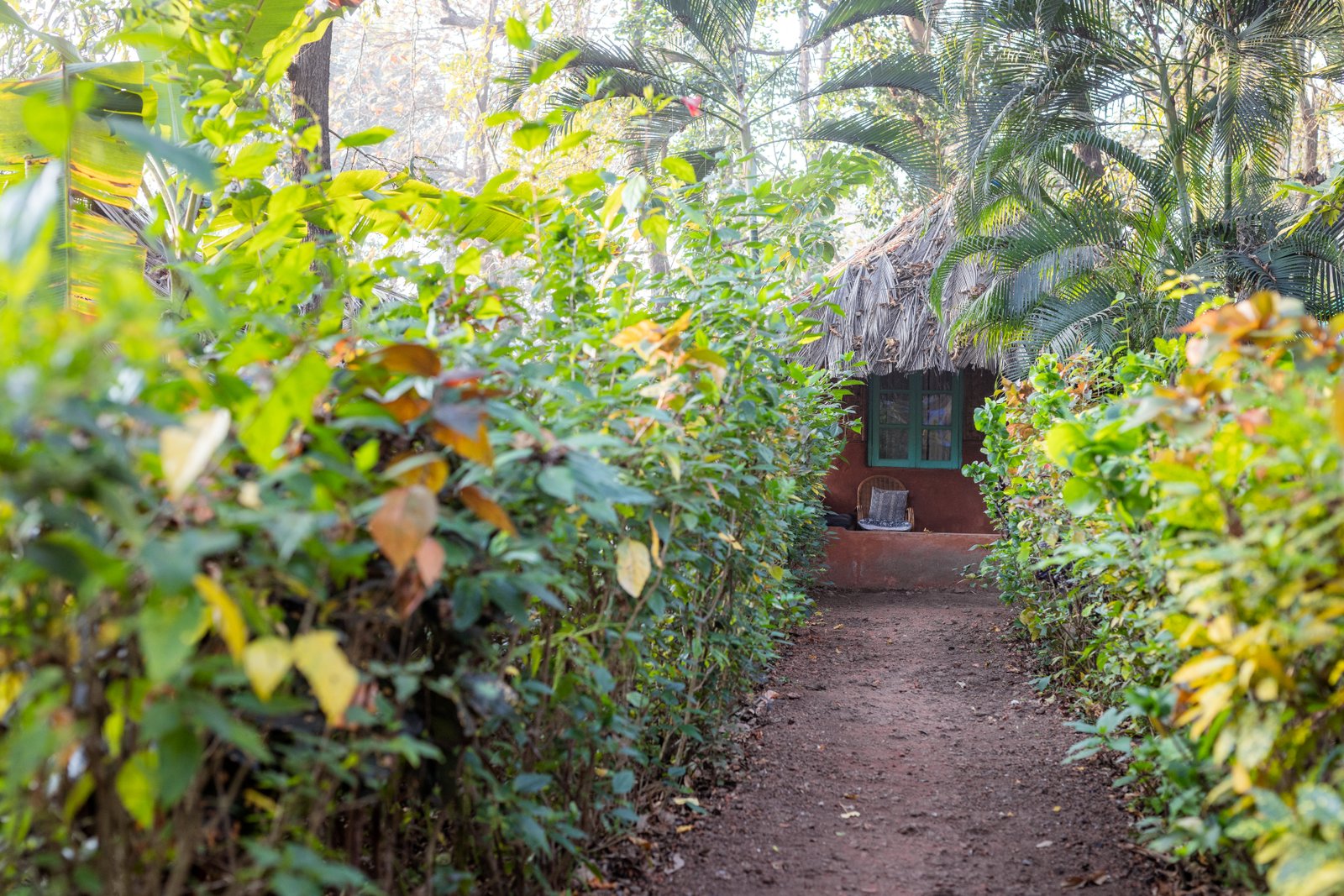 Bedroom photo — pending confirmation of the exact Deluxe Cottage from Swarnim
Prices
All prices in Indian Rupees, per person, for the whole stay. Check-in is at 2 PM; check-out at 10 AM.
Subject to availability and to written confirmation from us.
2 Week Package · 14 days
| Accommodation | Double sharing | Single occupancy |
|---|---|---|
| Budget Cottage | 100,000 | 150,000 |
| Standard Cottage | 115,000 | 172,500 |
| Deluxe Cottage | 130,000 | 195,000 |
3 Week Package · 21 days
| Accommodation | Double sharing | Single occupancy |
|---|---|---|
| Budget Cottage | 145,000 | 217,500 |
| Standard Cottage | 165,000 | 247,500 |
| Deluxe Cottage | 185,000 | 277,500 |
4 Week Package · 28 days
| Accommodation | Double sharing | Single occupancy |
|---|---|---|
| Budget Cottage | 185,000 | 277,500 |
| Standard Cottage | 210,000 | 315,000 |
| Deluxe Cottage | 235,000 | 352,500 |
What the price includes
- Accommodation for the length of the package.
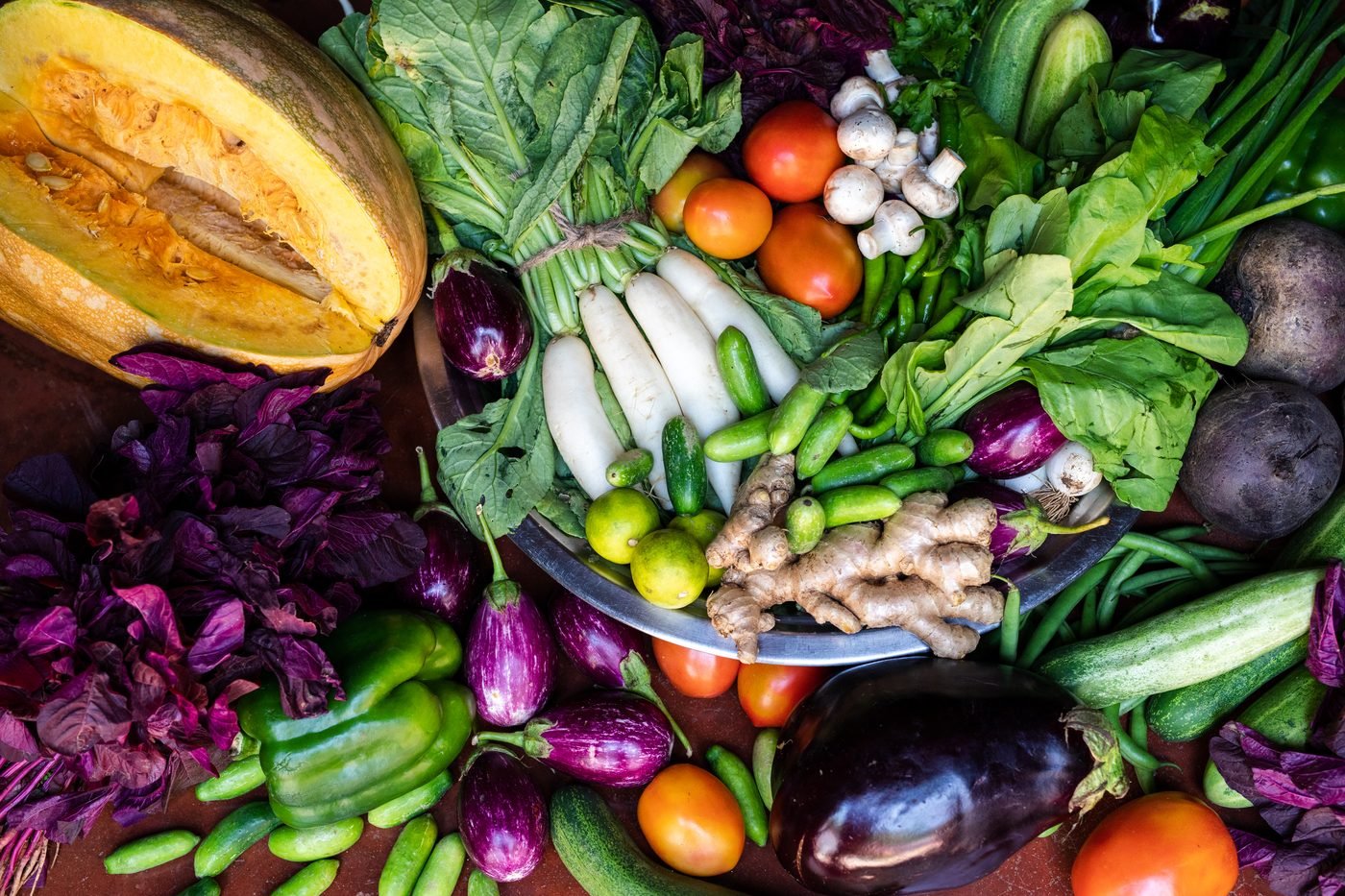
- All meals — herbal tea, brunch and dinner, Ayurvedic vegetarian, served buffet style.
- All yoga and Ayurveda sessions, unless stated otherwise.
- Free wi-fi.
If you have a food intolerance, alternative food is provided. Tell us before you arrive.
Booking & payment
Securing your place
To secure your place we ask for a 30% non-refundable advance deposit, by bank transfer or credit card. The balance may be paid one month before your arrival at SWAN.
If paying by bank transfer, please email us a screenshot of the transfer. Payment by credit card carries a 3.9% surcharge.
Arrival & airport transfer
Check-in is at 2 PM; check-out at 10 AM.
Airport transfers to SWAN can be arranged for Rs. 2,200, each way. If you wish to be met at the airport, send us your exact flight and arrival details — ideally two days before you travel.
Other programs
Panchakarma is the principal work at SWAN. Around it run shorter stays and a separate ladder for those who come to study.
Ayurveda · 1–2 weeks
Focused Ayurvedic treatment for guests who cannot stay the full Panchakarma course. Prescribed therapies, diet and rest — kept simple, kept honest.
Day Consultations
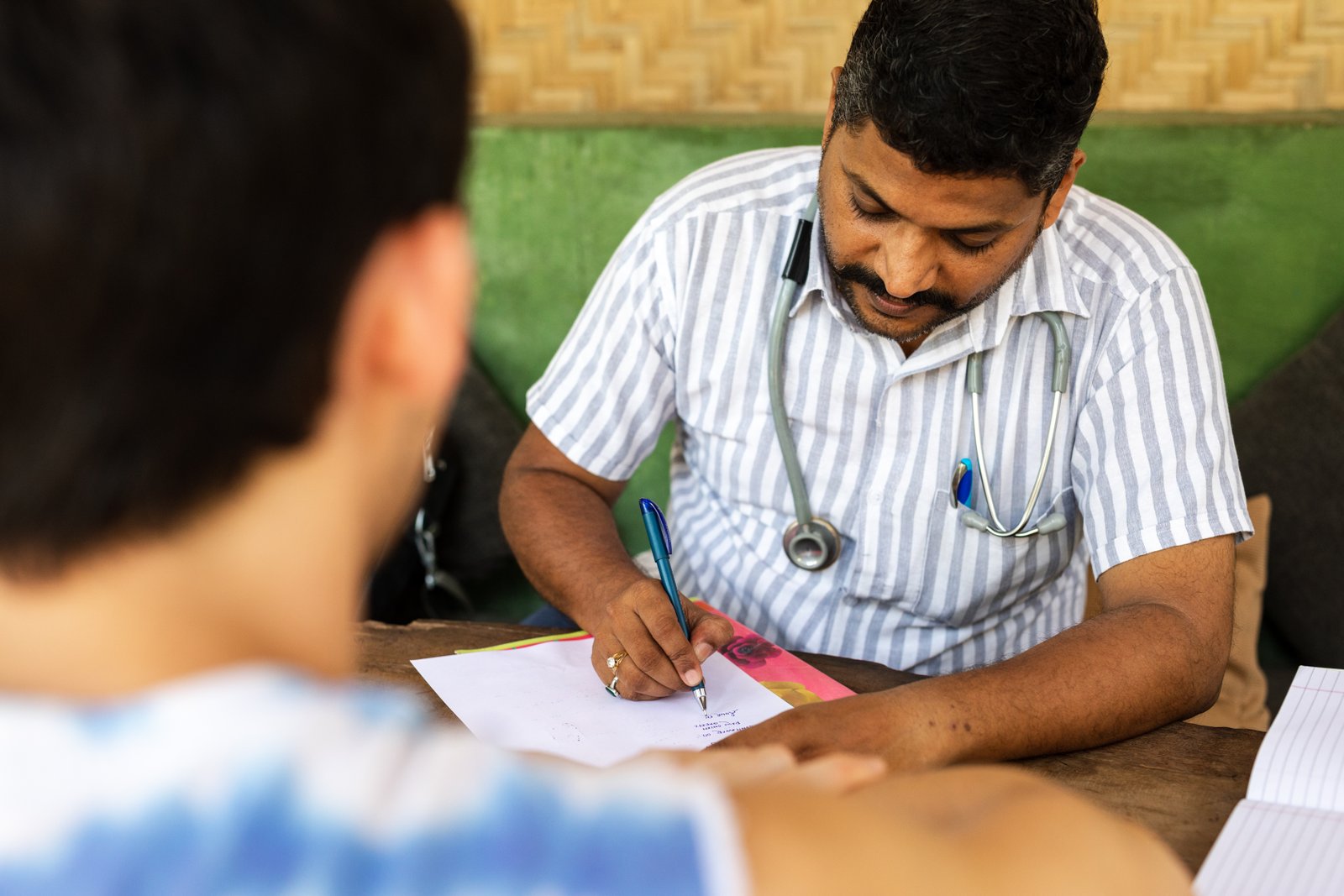
A single appointment — pulse diagnosis and a written protocol — for residents of Goa and for short-stay visitors. See consultation details.
Ayurveda · Basic Course
A thirteen-day residential introduction: doshas, food, herbs, and the basics of treatment and massage. For those with no prior study, and a foundation for those who may go further. Ten seats per course.
Therapeutic Yoga
For guests returning from stress, illness, surgery or long fatigue. Taught carefully, kept gentle, supervised day to day.
About the Panchakarma packages
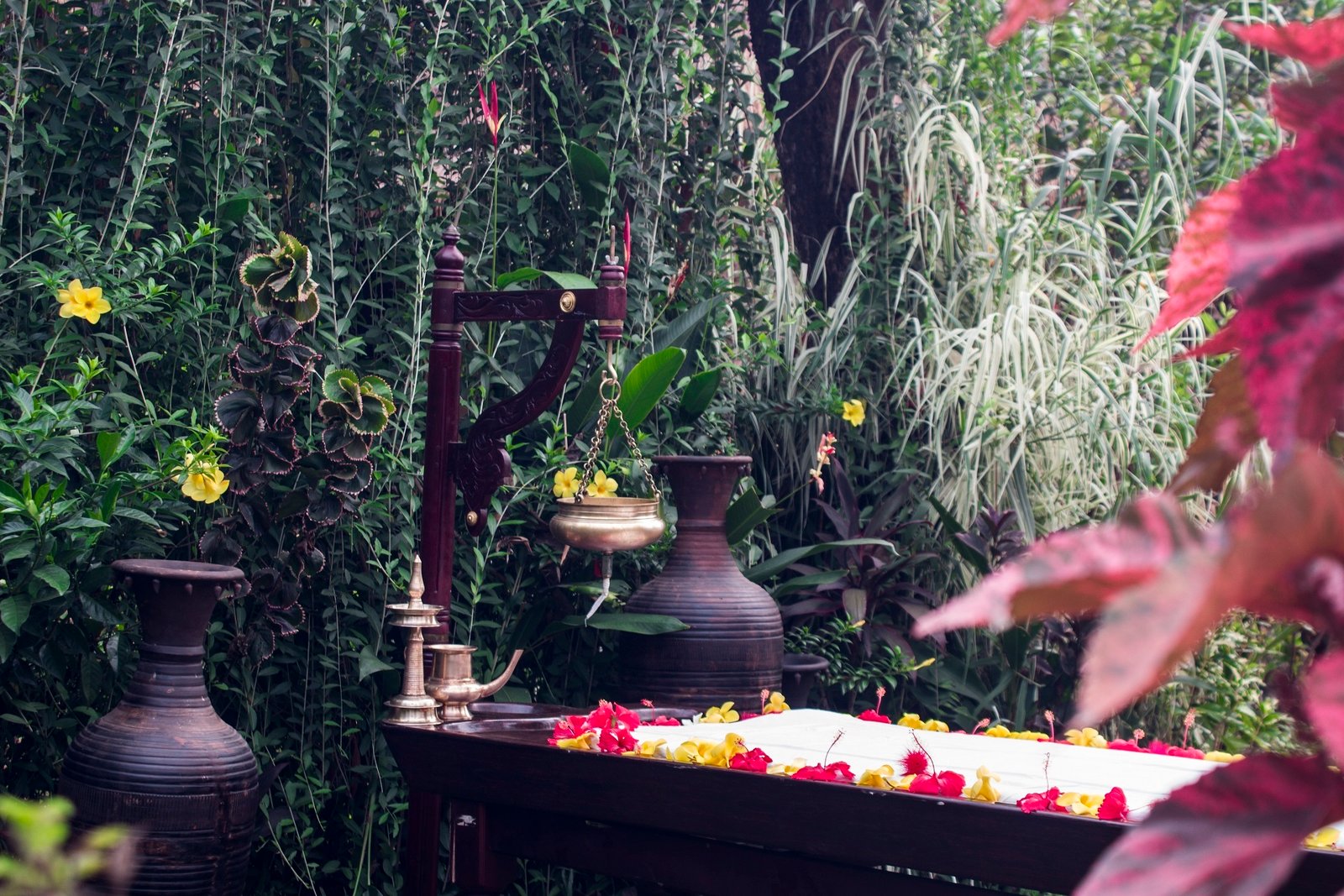
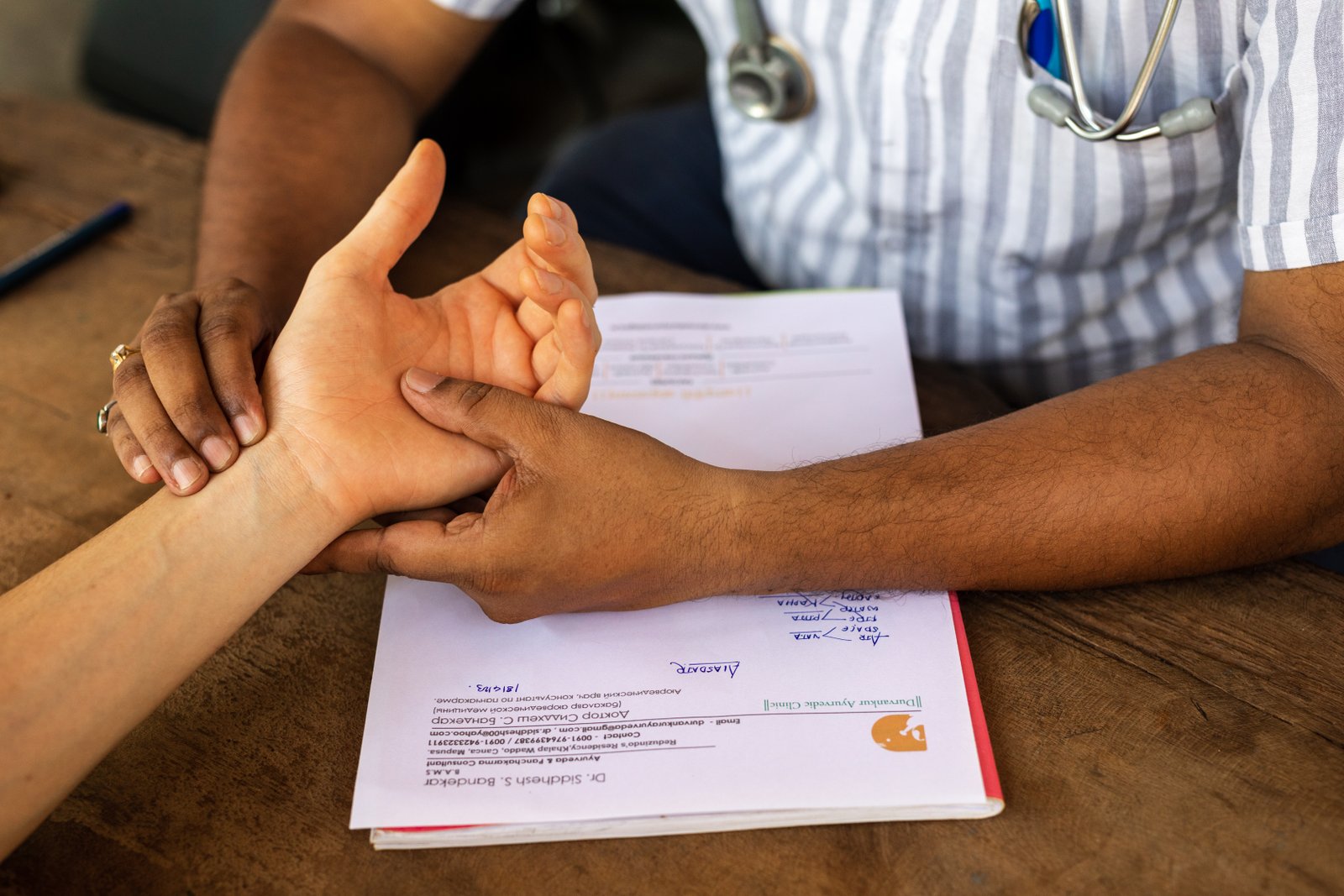
At SWAN Ayurveda, Goa, we have arranged three Panchakarma packages, each drawing carefully selected therapies from the wide range of Ayurvedic treatment. Panchakarma is one of the signature techniques of Ayurveda — the five-thousand-year-old Indian science which emphasises living a healthy and positive life, with an emphasis on prevention and on maintaining balance.
The word Panchakarma means five treatments. These five therapeutic procedures are Vamana, Virechan, Basti, Nasya and Rakta Mokshan. Each person undergoing Panchakarma receives a uniquely designed treatment built upon these five, according to their state of health, their constitution, and their particular complaints.
Panchakarma is a serious therapy, and it should be approached with an intention to surrender to the procedures. The result depends upon the person undergoing the treatment as much as upon those providing it. The work is done together, by the patient and the doctor.
Who can do Panchakarma?
Anyone seeking to maintain general wellbeing. Whether you are young or old, whether you live with particular health concerns or simply wish to stay well, Panchakarma may be considered as a supportive therapy. If you live with a chronic or autoimmune condition, Panchakarma is undertaken alongside — never in place of — the care of your treating doctor, and any decision to begin should be made together with them.
How long is the treatment?
Ideally, Panchakarma should be done for twenty-one days. But knowing that people have demanding lives, we have arranged three packages: a minimum of two weeks, and a maximum of four.
What to expect as a result
The four-week programme allows the fullest course of therapy and the longest period of rest and observation. How any individual responds depends on their constitution, the nature and duration of their condition, and their circumstances — outcomes differ from person to person and cannot be predicted in advance. Guests on the two-week package commonly describe feeling rested and refreshed on leaving.
Panchakarma therapies and treatments in Goa, India
Panchakarma comprises of two words — pancha meaning five and karma meaning therapy. This age-old science of purifying the body is an ancient branch of Ayurveda.
The treatment in Ayurveda consists of two main types. One is Shaman Chikitsa, used to subdue the vitiated Doshas, due to which any ailments may be produced. It is administered by using various medicinal herbo-mineral preparations. However, if the Doshas are vitiated beyond a particular level, they give rise to various endotoxins, which have a tendency to be accumulated in the minute channels. These are beyond the level of pacification and hence need to be eliminated or removed from the body.
In such cases, the second type of treatment, which is Shodhan Chikitsa or cleansing therapy, is indicated. Since it consists of the five types of main therapies, it is known as the Panchakarma Chikitsa.
Panchakarma has been given a special place in all the ancient Ayurvedic texts. Aacharya Charak, the author of the most important ancient text on internal medicine, has described a wide use of Panchakarma therapy for almost all the major diseases. Two separate sections, Kalpa Sthanam and Siddhi Sthanam in Charak Samhita describe the details of special decoctions and other preparations used for Panchakarma therapy.
Panchakarma includes two main parts:
Poorva Karma — Preparatory Methods
- Paachan (Digestion)
- Snehan (Internal and external oleation)
- Swedan (Fomentation)
Pradhan Karma — Main Methods
- Vaman (Induced vomiting)
- Virechan (Induced purgation)
- Basti (Medicated enema)
- Nasya (Nasal medicine)
- Rakta Mokshan (Artificial bloodletting)
Pashchat Karma — Post-Therapeutic Measures
- Includes Sansarjan Krama (specific dietetics), Dhumapana (smoking of medicinal cigars) and a set of rules to follow for specific activities.
Basic Principles
Panchakarma unfolds in three stages: the preparatory methods (Poorva Karma), the main procedures (Pradhan Karma), and the after-care that follows (Paschat Karma). Each stage is described in turn below, and every step within them is tailored by the physician to the individual's constitution.
Poorva Karma पूर्व कर्म
Basic Principles — Poorva Karma
‘Poorvakarma’ includes procedures required to prepare the body for deep cleansing. The details of each step are individually tailored by the physician on the basis of the patient's constitution.
First, the Digestion Therapy (Pachana) cleans the digestive system of the patient. The cleansing is achieved by the ingestion of various herbs, which stimulate the metabolism, improve the blood circulation and enhance the mental concentration.
Next, the Oleation Therapy (Snehana) treats the patient's internal as well as the external organs. Fats and sesame oil are ingested over a period of 3–7 days. Simultaneously, oil is applied to the skin by a variety of massage techniques. The oleation therapy safeguards the healthy tissues of the body, loosens toxins within the system, and flushes the skin's pores.
Finally, the Fomentation Therapy (Swedana) applies heat through a variety of methods including the use of hot poultices, vapor and steam baths, hot showers and baths, saunas, as well as the inhalation of smoke produced by burning herbs, animal dung, or wood kindling. Swedana relieves stiffness, heaviness and cold in the body.
Pradhan Karma प्रधान कर्म
Ayurveda Panchakarma treatment in Goa, India.
Once the three steps of Poorvakarma are completed, the Pradhankarma commences. The procedures of Pradhankarma are given here in the order that they are typically performed. However, every patient may not need to undergo each of the procedures listed here.
The Herbal Purification (Vamana) is the process of controlled vomiting induced by herbs or drugs. It is the first main purification therapy and is of functional importance to the entire scheme of Panchakarma. The patient is given warm milk, licorice tea, sugar water or butter milk to drink, after which an emetic is administered to induce vomiting. In the classical texts, Vamana is described as clearing excess Kapha from the body. It is traditionally indicated in Kapha-predominant conditions. Suitability is assessed individually by the attending physician.
The Drug Induced Purgation (Virechana) is the controlled process of excreting solid wastes from the body. Bowel movements are induced by a herbal or drug laxative. Virechana eradicates disease of the blood, rejuvenates the tissues and organs of the abdomen, improves skin condition and increases immunity.
The Medicated Enema (Basti) is universally regarded as the most important Panchakarma procedure. The liquid used for the Basti is either water-based (Niruha and Asthapan Bastis) or oil-based (Anuvasana and Sneha Bastis). Additional elements include herbs, salts, wines, yogurt, and honey. Enemas are applied to the rectum, vagina, urethra, or to the cavity of a wound. Basti serves to lubricate the system and alleviate dryness caused by an excess of Vata (air).
The Nasal Cleansing (Nasya Karma) involves the cleansing of the nasal passage by the administration of oils, pastes, powders, plant juices, infusions or smoke. In case of liquids, the head is tilted back and the liquid is put into the nostrils. Powders and pastes are applied by hand or with a special apparatus, while smoke is inhaled. Nasya can prevent diseases of the ear, nose, throat, and head, as well as strengthen hair and improve mental functions.
Blood Letting (Rakta Mokshana) must be performed and controlled by a licensed physician. In the classical texts, blood-letting is described within the treatment of disorders attributed to vitiated Pitta and impurities of the blood. It is undertaken only when classically indicated and only under the supervision of a licensed physician.
Paschat Karma पश्चात् कर्म
Ayurveda Panchakarma treatment Goa, India.
Sansarjan Krama
Post cleansing regimen for emesis and purgation. Since Vaman (emesis) and Virechan (purgation) tend to leave an impact on the internal lining of some parts of the digestive tract, a special dietary regimen is advised for seven days after completion of the main procedures. This specific diet is known as Sansarjan Krama.
In this regimen
- For the first three meals, it is advisable to take a liquid diet of bland warm porridge of rice with salt. The quantity of the porridge should be as per one's appetite.
- For the next three meals, a semisolid paste of rice with small amounts of Ghrita, ghee or oil is usually recommended.
- For the seventh, eighth and ninth meal, a Khichari (spiced lentils and rice) is given along with a bland soup of green grams.
- For the tenth, eleventh and twelfth meal, bland meat soup cooked by adding a little amount of fats and salt is given along with fresh rice.
During these days, warm water should be drunk along with food. From the seventh day onwards, or from the thirteenth meal onwards, the patient is gradually allowed to resume his normal diet. However, overeating and consumption of spicy and fried food should be avoided for at least one month after completion of the cleansing therapies.
Paschat Karma Treatments — Panchakarma Kur
Post cleansing regimen for nasal therapy and bloodletting
For the remaining two therapies — Nasya Karma (nasal therapy) and Rakta Mokshan (bloodletting) — after proper completion of these two procedures, medicated cigars prepared from medicinal powders are usually smoked; this procedure is known as Dhuma Pana.
Post cleansing regimen for medicated enema
Basti Karma (medicated enema) is advocated in various regimens such as Niruha Basti or Anuvasan Basti or different permutations and combinations of both depending upon the type, duration, and severity of the ailment. Generally Basti Karma is a long-term therapy; therefore, the rules of diet are not as rigidly applied. However, all the spicy, pungent, fried, oily, stale foods, and excessive eating should consciously be avoided during medicated enema therapy.
Immediately after taking Niruha Basti, the patient should take a warm bath and rest. A light diet of boiled lentils and grams should be eaten and a routine for a specific period, known as Parihara Kaala, should be followed. During this period it is advisable to avoid all physical as well as emotional tensions. Sunbathing should be strictly avoided.
Anuvasan Basti is given in order to retain the enema material in the body. Therefore, sleeping for 7–8 hours in lateral position is advised, so as to allow the medicated oil or Ghrita to be absorbed in the body channels — which is why Anuvasan Basti is generally employed at night, before sleeping.
Preliminary Therapy
In Ayurveda Panchakarma the treatments are done in three stages, and the preliminary therapy includes Pachana (digestion), Snehana (oleation) and Swedana (fomentation). With the help of these three procedures the body is taken through an intense cleansing procedure. These preparatory steps are described in the classical texts as making the body receptive to the main procedures that follow.
The preliminary therapy includes
- Pachana (digestion)
- Snehana (oleation)
- Swedana (fomentation)
Digestion पाचन
The Digestive Therapy (Pachana) digests and liquefies toxins in various tissues and channels of the body. This is accomplished by increasing the digestive fire of the body by means of ingesting specific herbs. The herbs are generally pungent and bitter in taste and hot in potency. They increase the internal heat of the body, stimulate the metabolism, activate the digestive enzymes, increase the peristalsis and improve the circulation.
Many of these herbs have anti-parasitic or antibacterial properties and some even enhance the immune system.
The herbs used for this therapy are generally in the form of powders, pastes or decoctions.
Oleation स्नेहन
It is employed in order to liquefy the vitiated Doshas and to bring and collect these in the main body channels such as the digestive tract and respiratory tract. The natural material available for oleation is oils and Ghrita (clarified butter).
Indications
- All persons who require any of the five cleansing procedures must be given oleation therapy.
- Persons suffering from vitiation of Vata Dosha, which increases the dryness in the body.
- Persons suffering from arthritic conditions, or nervous disorders.
- Persons who undergo regular physical strain.
- Persons prone to psychological symptoms such as emotional stress and anxiety.
Contraindications
Persons whose Kapha Dosha and Medo Dhatu (body fats) are augmented and corrupted; pregnant women; persons suffering from ascites, indigestion, anorexia, and nausea; and persons who are taking the treatment of Basti Karma and Nasya Karma should not be given oleation therapy.
Procedure
When employed as a preparatory procedure before starting with any of the five cleansing methods, a certain amount of pure Ghrita or sesame oil should be given every night for seven nights two hours after dinner, either with some food or in pure form, according to the status of the individual's health or status of disease. Persons with weak bowels are administered with oleation therapy for three days.
Signs and symptoms of a properly oleated person
- It works as an appetizer.
- Internal smoothness and external oily complexion.
- Smooth passage of stools and gases.
Complications of improper oleation
When oleation therapy is either incomplete or in excess, various complications occur. These are fever, heaviness in body, edema, diarrhoea and dysentery, and excessive thirst.
Instant Oleation
In some diseases when cleansing procedures are required to be employed at the earliest, the process of instant oleation is described. In this, all the four important Snehan Dravyas — Ghrita, Taila (oil), Vasa (animal fats) and Majja (marrow) — are taken in equal quantities and are cooked with one part of rice. This preparation is called Pancha Prasutiki Peya. It is given for instant oleation. Also, use of salt along with oleation material is advised, as salt is absorbed by the minutest part of the body and in the process carries along with it the oleation material, which is distributed throughout the body.
External Oleation — Abhyanga
It is nothing but oil massage or local application of medicated Ghrita. It is given either as a treatment for various diseases, or as a preparatory procedure before starting the five cleansing procedures.
Fomentation स्वेदन
Swedan Karma (fomentation therapy) is one of the three preparatory procedures employed before starting any of the five cleansing procedures. Swedan Karma or diaphoresis is advocated only after employing proper oleation. A person undergoing this therapy is given heat either by using a decoction of medicinal herbs or by applying indirect heat to the body — in the form of warm clothing or keeping the patient in a warm cabin or partially open box. Properly employed, fomentation softens and melts the body toxins so as to efficiently expel these with the assistance of the main purification procedures.
Types of Diaphoresis
- Thermal (Saagni) and non-thermal (Niragni)
- Smooth (Singdha) and dry (Ruksha)
- Mild (Mrudu), moderate (Madhyam) and strong (Tikshna)
- Local (Ekanga) and whole body (Sarvanga)
Indications
Persons who suffer from coryza, asthma, cough, hiccoughs, earache, headache, pharyngitis, paraplegia, hemiplegia, arthritis, facial paralysis, sciatica, backache, joint disorders, edema, constipation, urinary obstruction, and spasmodic pains, etc., are given hot fomentation.
Contraindications
Alcoholics, pregnant women, malnourished persons, diabetics, persons suffering from liver diseases, persons having cataract, and very young or very old patients should not be given diaphoresis.
Procedure
As per the severity and site of the disease, the type of diaphoresis is advocated. External oleation therapy or massage is mandatory before a patient is given diaphoresis. Diaphoresis is given by various methods. Local diaphoresis is given by applying a poultice (paste) of medicinal herbs or by kettle steam diaphoresis. In chronic diseases, whole body diaphoresis is given either by giving steam bath of medicated decoctions, or by making the patient lie down on a specially designed table.
Special precautions
Very mild diaphoresis should be employed to the delicate parts like testes, eyes or heart, for a very short time. Also, blood pressure, pulse and respiration chart is maintained. Precautionary measures should be taken to overcome any dehydration caused by excessive perspiration.
Signs and symptoms of patient having proper diaphoresis
- Patient feels cool due to excessive perspiration.
- Pain is subsided.
- Joints and body stiffness is reduced, making all the body movements more flexible.
Complications of improper diaphoresis
- Coma, giddiness and weakness.
- Excessive thirst and dehydration.
- Burning sensation of the body.
Functions of Diaphoresis
Body flexibility is increased after oleation and diaphoresis treatment, and helps in eliminating the toxins completely. Swedan benefits the patient by relieving him of stiffness and pain.
Post Fomentation Regimen
Immediately after completing fomentation therapy, it is advisable to rest, avoid exposure to the cold, bathe in warm water, and rest in adequate fresh air. Liquids and easily digestible food should be consumed in moderate amount. If induced emesis has been recommended, it should be done the following morning. If purgation is required, it should be done two days after the fomentation is completed. Nasal cleansing, medicated colon therapy or bloodletting can be done immediately after fomentation.
Main & Follow-up Therapy
Ayurveda Panchakarma treatments Goa, India.
Ayurveda Panchakarma treatments have main and follow-up therapies as part of its procedure and all the treatments and therapies are available at our Ayurveda treatment center at SWAN Ayurveda Retreat, Goa. These therapies include the following:
For more details on each of the procedures please use the links above to jump to the section.
Vamana वमन
Vaman or induced emesis is one of the five cleansing methods of Panchakarma Chikitsa. It is performed to subdue augmented Kapha Dosha. Giving decoction of medicinal herbs for ingestion in large amounts induces emesis. For this purpose, either liquorice decoction or decoction of emetic nut (Madanphal kwath) is used. Sometimes warm salt water is also used to induce emesis. Before Vaman is given, there are three procedures which are to be employed, namely Paachan (Digestion), Snehan (Oleation therapy) and Swedan (diaphoresis).
Indications
Induced emesis should be employed if the person is suffering from diseases like coryza, asthma, cough and other respiratory diseases; hyperacidity, indigestion, dysentery, diarrhoea and other digestive disorders; psychosomatic illnesses, anemia, filariasis, dermatoses and acute poisoning.
Contra-indications
Obese and malnourished persons, pregnant women, persons with heart complaints, earache, eye diseases; persons who are treated with induced enema; persons having gastric or duodenal ulcer and persons having hepatic diseases are not given induced emesis.
Procedure
- Completion of the preparatory procedures is mandatory before employment of induced emesis.
- A general examination is carried out to rule out cardiac diseases, and high or low blood pressure.
- Vaman is given in the morning, to eliminate diseased Kapha as much as possible. For this, decoction of emetic nut or liquorice is given depending upon the patient's constitution and state of disease. The main signs are nausea, excessive salivation and excessive perspiration.
- During the process of emesis, temperature, pulse and respiration chart is maintained. An assistant is present with the patient to take care of any probable complications.
Signs and symptoms of proper emesis
Exhaustion is an apparent sign, and vitiated Doshas are eliminated in a proper sequence — i.e. mucus, bile and gases. The bouts of emesis subside naturally, after the proper elimination of the toxins.
Complications of improper emesis therapy
When emesis is incomplete, one may not get the required bouts of vomiting to eliminate toxins, or does not get emesis. However, when done in excess, it could cause severe hyperacidity which could lead to bleeding from throat; severe pain in stomach, giddiness, and gaseous distention.
Post Emesis procedures
After a properly given emesis therapy, the patient is asked to inhale the smoke of medicinal cigarettes. For diet, Sansarjan Krama is followed. Also, overeating and consumption of fried and spicy food should be avoided.
Virechan विरेचन
Virechan, commonly known as induced purgation, is one of the five major cleansing therapies of Panchakarma. It is advocated predominantly for elimination and purification of Pitta Dosha. Medicines prepared from purgative plants, such as common milk hedge (Snuhi) or purging croton (Jaiphal), are used for this purpose. Before Virechan is administered, there are three procedures which are employed, namely Paachan (Digestion), Snehan (Oleation therapy) and Swedan (diaphoresis).
Indications
In the classical texts, Virechana is described as a Pitta-clearing procedure. Its suitability for any individual is assessed by the attending physician on the basis of constitution and classical indication.
Contra-indications
Persons having anal fissure, anorectal bleeding, anorexia, indigestion, fever; persons suffering from alcoholism; weak persons; pregnant women and persons above the age of 65 years or below age of 15 years should not be given induced purgation.
Procedure
- After the oleation therapy and diaphoresis are properly administered, a light diet at night and next morning is advised. The purgative medicine — powder of Indian Jalap — is given in the dose of 1–3 gm., along with honey.
- After this, purgation or the elimination of toxins through stools begins. The frequency, quantity, and physical examination of stools — i.e., color and consistency — is observed. Blood pressure, pulse, respiration chart is maintained to keep a check on dehydration.
Signs and Symptoms
Ideally, fecal matter excretion is followed by Pitta Dosha, Kapha Dosha and Vata Dosha respectively. Lightness of the body and an increase in appetite is noticed. The intestinal spasms to expel the fecal matter subside naturally, after the complete elimination of the accumulated toxins.
Complications of improper purgation
Incomplete purgation could cause the intestinal spasms to subside prematurely. A feeling of heaviness or fullness of stomach, vomiting and blockage of passage of flatus is likely. Excessive purgation causes giddiness, dehydration, weakness, restlessness and muscular cramps.
Post Purgation procedures
Diet should be on the lines of Sansarjan Krama.
Basti बस्ति
Basti Karma is one of the main procedures of Panchakarma Chikitsa. Various medicated enemas are introduced into the large intestine through the rectum with the help of an enema pot or special bag made for this purpose. “Basti” literally means the urinary bladder. In ancient times, sterilized urinary bladders of animals were used to instill the enema — hence the name of the procedure is Basti Karma.
The extent of Ayurvedic Basti is very significant and hence cannot be compared with contemporary enema, which is used for bowel cleansing or nutritive therapies. As per Ayurveda, treatment of Vata Dosha is mandatory in treating any disease, since Vata Dosha is known to be the main cause in initiating ailments. Basti chikitsa is the most important treatment to subdue the elevated Vata Dosha — hence it is considered the most important procedure in Panchakarma Chikitsa. The classical texts place particular emphasis on Basti within Panchakarma Chikitsa. It is administered only under the supervision of the attending physician.
Basti Karma is of two types
- Aasthapan Basti / Niruha Basti: Decoctions of medicinal herbs are used for enema in this type.
- Anuvasan Basti: This comprises of enemas given with medicated oils. It also works as rejuvenator (Balya and Brihan) and body bulk promoter.
Indications for Niruha Basti
The classical texts describe Niruha Basti as indicated chiefly in Vata-predominant conditions. Its use in any individual case is determined by the attending physician.
Contra-indications for Niruha Basti
Malnourished, weak persons, or those suffering from tuberculosis, ascites, peritonitis, intestinal obstruction, dysentery, diabetes, skin diseases, asthma, etc., should not be employed with Niruha Basti.
Indications for Anuvasan Basti
All persons in whom Niruha Basti is contra-indicated should be treated with Anuvasan Basti.
Contra-indications for Anuvasan Basti
Persons in whom Niruha Basti is advised; persons suffering from anaemia, jaundice, obesity, piles, intestinal worms, etc., should not be treated with Anuvasan Basti.
Procedure
It is given like any other enema. The only difference is that Anuvasan Basti should be retained in the body, therefore the patient has to lie down in the lateral position for 6–8 hours; therefore it is employed at bedtime.
Complications of Basti therapy
- When Basti therapy is incomplete, spasmodic pains, burning sensation, anorectal itching and pain, anorexia, blockage of stools and flatus are noticed. If given in excess, it causes anorectal inflammation and ulceration, fissure, weakness, and muscular cramps.
- Uttar Basti: The vaginal douche, given with medicinal decoctions for various gynaecological complaints, such as uterine prolapse, leucorrhoea, menorrhagia, urinary obstruction, habitual abortions, infertility, etc.
- Matra Basti: Here, enema is given with 50 cc of medicated oils. It is recommended for otherwise healthy persons who undergo daily excessive physical exertion, and who are weak and malnourished. Matra Basti also works as rejuvenator, immuno-modulator and nutrient, and it also subdues elevated Vata Dosha.
Nasya नस्य
Administration of medicines through the nose, either to subside congestion or to expel vitiated Doshas out of the body systems, is known as Nasya Karma or Shirovirechan. The word Shirovirechan literally means method of purification of the systems above the clavicular region. The medicines used for this procedure include oil, pastes, powders, plant juices, decoctions, infusions, as well as inhalation of medicinal smoke. Since the nose is the main orifice connected directly to the brain, nasal cleansing is considered very effective for ailments of the head including the five sense organs (Indriyas). In this procedure, the aggravated Doshas above the region of clavicle (in the head and neck) are eliminated through the nose. Before beginning with the nasal therapy, the preparatory procedures such as localized Snehan (Oleation therapy) and Swedan (diaphoresis) should be applied on the affected area.
Indications
This therapy is specially advised for head and neck diseases such as dental disorders, tonsillitis, diseases of eye, facial paralysis, baldness, graying of hair, etc.
Contraindications
Persons suffering from digestive disorders, fever, coryza; immediately after physical exertion; pregnant women; and persons who have recently undergone oleation therapy should not take Nasya therapy.
Procedure
If medicinal powders are used, these should be used as insufflation. Nasal drops are put in the dose of 2–3 drops in each nostril after making the patient lie down. The medicine which enters the throat should be spat out along with cough.
Post Nasya procedure
After Nasya Karma, smoking of medicinal cigarettes (Dhuma Pana) is advised. The patient is advised to drink warm water and eat a light diet; and to remain in a place which is not very breezy.
Complications of improper Nasya Karma
When nasal therapy is not given properly, it causes heaviness of head, coryza, rhinitis, headache and other diseases of eye, ear and head.
Pratimarsha Nasya
It is given with medicated oils and is given every day to healthy individuals. It works as nutrient for eyes, ears and nose. Nasal insufflation is given for purification of Doshas which are accumulated above the clavicular region.
Rakta Mokshan रक्तमोक्षण
Rakta Mokshan or artificial bloodletting was included in the Panchakarma therapy by Aacharya Sushrut. Rakta Mokshan is essentially extracting blood from specific blood vessels (veins), mentioned for specific chronic diseases. In the past, it was done by using purified and sterilized horns of animals, gourd, by applying leeches or by puncturing veins (Phlebotomy). At present only the latter two methods are followed. However, since it is an invasive procedure, it should be administered by a licensed physician only. Before beginning with the bloodletting therapy, the preparatory procedures such as Abhyanga (external oleation therapy) and Swedan (local fomentation) are usually carried out on the affected area.
Indications
In the classical texts, bloodletting is associated with the management of conditions attributed to vitiated Pitta Dosha and impurities of the blood. Whether it is appropriate in any individual case is determined solely by the attending physician.
Contra-indications
It should not be carried out in patients suffering from anaemia, malnourishment, ascites, piles, tuberculosis, and during pregnancy.
Procedure
Before starting Raktamokshan, local fomentation is given. After that, leeches are applied at the desired site of bloodletting. (Sometimes, blood is simply extracted out through syringe and needle.) When the procedure is carried out properly, the leeches leave the site naturally after sucking out all the impure blood, and bleeding ceases spontaneously. There is a significant decrease in the symptoms of pain and inflammation, and the severity of the disease is minimized.
Complications of improper bloodletting
Signs of incomplete bloodletting are: itching, inflammation, cellulitis and pain at the site of bloodletting. When done in excess, one could be subjected to weakness and headache. To stop excessive bleeding in such cases, ice or astringent medicines should be applied on the area of bleeding.
Post Raktamokshan Process
After completion of the process of Raktamokshan, turmeric powder is applied on the site of bloodletting. This acts as hemostyptic, antiseptic and blood purifier.
Important health information
The information on this page is provided for general educational purposes, describing Panchakarma and the classical Ayurvedic procedures as they are set out in the traditional texts. It is not medical advice, and it is not a diagnosis, a prescription, or an offer to treat, cure or prevent any disease.
Ayurvedic therapy at SWAN is undertaken as a supportive practice alongside — never as a replacement for — the care of your own doctor. Please do not stop, reduce or alter any prescribed medication or treatment except on the advice of your treating physician.
Every guest is assessed individually before any procedure begins, and suitability is determined by the resident physician. Not every therapy is appropriate for every person. Responses vary from individual to individual, and no particular outcome or result is promised or implied.
If you live with a diagnosed medical condition, are pregnant or breastfeeding, or are taking regular medication, please consult your doctor before booking, and tell us about it in your consultation so that your programme can be planned safely.