For over five millennia, seekers of balance, longevity, and profound inner wellness have turned their attention toward South Asia. As modern lifestyles accelerate chronic stress, metabolic disorders, and systemic burnout, the ancient medical science of Ayurveda In India offers a time-tested roadmap back to equilibrium. Unlike reductionist systems of medicine that focus purely on symptom suppression, classical Ayurveda views every human being as a unique microcosm of nature governed by universal elemental principles.
Experiencing authentic Ayurveda In India at its source provides access to deep lineage-based knowledge, classical herbal pharmacology, and holistic living practices refined across generations of Vaidyas (Ayurvedic physicians). Whether your goal is intensive systemic detoxification, recovering metabolic vitality, or deepening your spiritual practice, immersing yourself in a residential sanctuary in India bridges the gap between ancient healing wisdom and modern life.
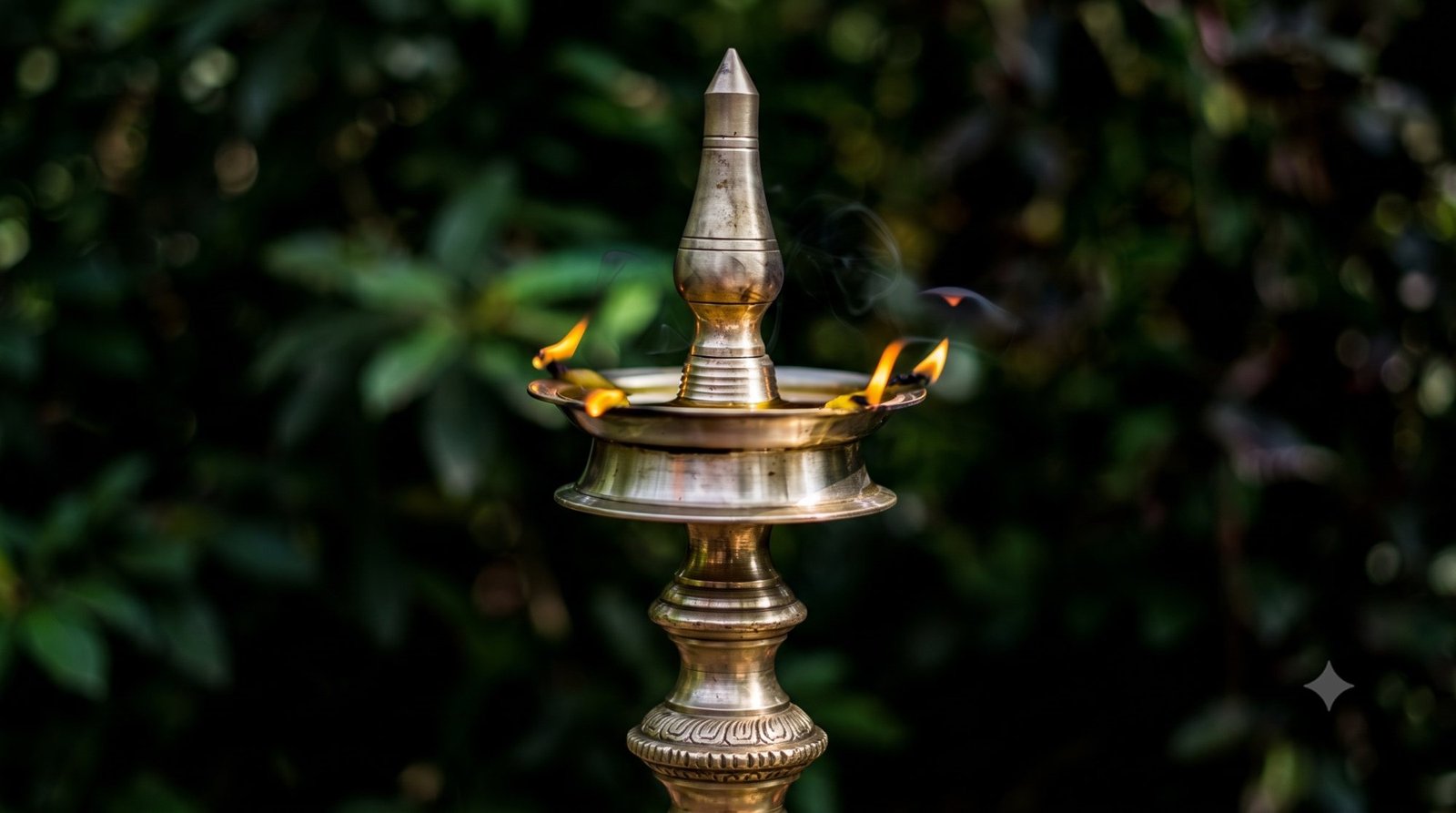
The Living Philosophy of Ayurveda in India
Rooted in the sacred Vedic texts—specifically the Charaka Samhita and Sushruta Samhita—Ayurveda translates literally from Sanskrit as the "Science of Life" (Ayur = Life, Veda = Science or Knowledge). At the center of this medical philosophy is the doctrine of the Tridosha:
- Vata (Ether + Air): The principle of kinetic energy, movement, respiration, and nervous system regulation.
- Pitta (Fire + Water): The principle of transformation, digestion, enzyme activity, and metabolic heat.
- Kapha (Water + Earth): The principle of structure, lubrication, tissue cohesion, and immunity (Ojas).
When these biological energies exist in their natural proportion—known as your Prakriti (innate constitution)—vitality flourishes. When lifestyle errors, environmental toxins, poor dietary choices, or emotional stress disrupt this baseline, an imbalance (Vikriti) manifests. To understand how classical diagnosis identifies these constitutional nuances, read our detailed overview of About Ayurveda.
While Ayurvedic treatments have expanded globally, undergoing Ayurveda In India provides an irreplaceable clinical depth. In India, treatments are supported by tropical biodiversity, freshly harvested medicinal herbs prepared according to classical texts, and an unbroken continuum of oral and practical traditions.
Core Pillars of Ayurvedic Therapeutics
Traditional healing in India is not a passive spa service; it is an active recalibration of your biological terrain through three essential pillars:
1. Ahara (Medicinal Nutrition)
In classical Ayurveda, food is medicine. Dietary prescriptions are determined by your constitutional doshic balance and the strength of your digestive fire (Agni). Authentic retreats serve freshly cooked, organic, vegetarian Sattvic meals prepared with digestive spices like cumin, coriander, fennel, ginger, and turmeric to clear biological toxins (Ama).
2. Vihara (Lifestyle and Dinacharya)
Health depends on alignment with natural circadian cycles. A traditional retreat establishes a disciplined Dinacharya (daily routine): waking near sunrise (Brahma Muhurta), tongue scraping, nasal cleansing (Jala Neti), self-massage (Abhyanga), and synchronizing meals with peak digestive sun cycles.
3. Aushadha (Classical Phytotherapy)
Formulations incorporating medicinal roots, barks, leaves, and medicated ghees (Ghritas) or oils (Thailams) work synergistically to balance doshic pathways. Classical remedies like Ashwagandha, Brahmi, Triphala, and Shatavari are prescribed precisely to target individual tissue layers (Dhatus).
Panchakarma: The Crown Jewel of Cellular Detoxification
When doshic imbalances become deeply lodged in the tissues, superficial therapies are insufficient. This is where classical Panchakarma—the fivefold purificatory therapy—becomes the centerpiece of treatment.
True Panchakarma is an intensive medical intervention that unfolds systematically across three stages:
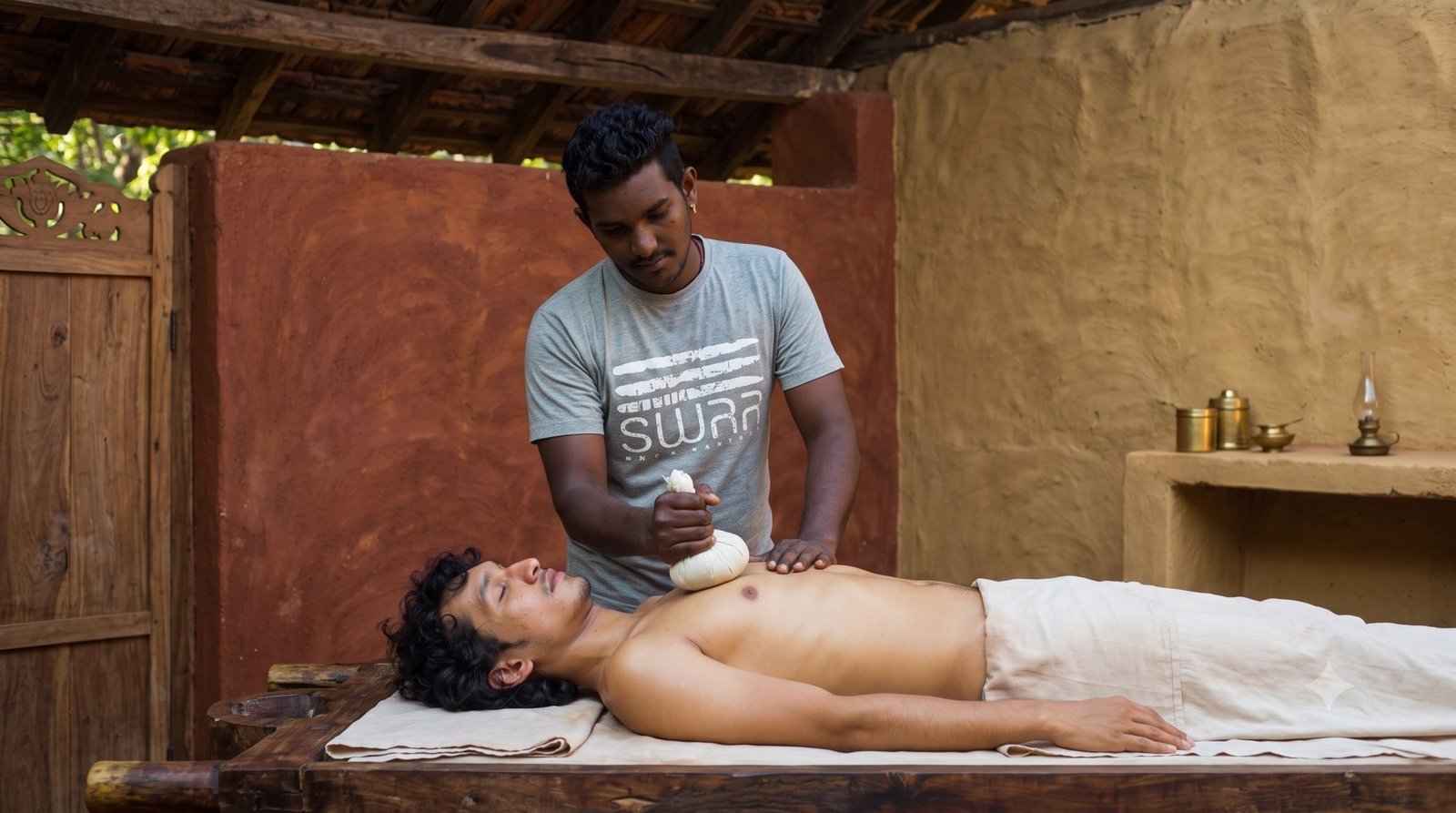
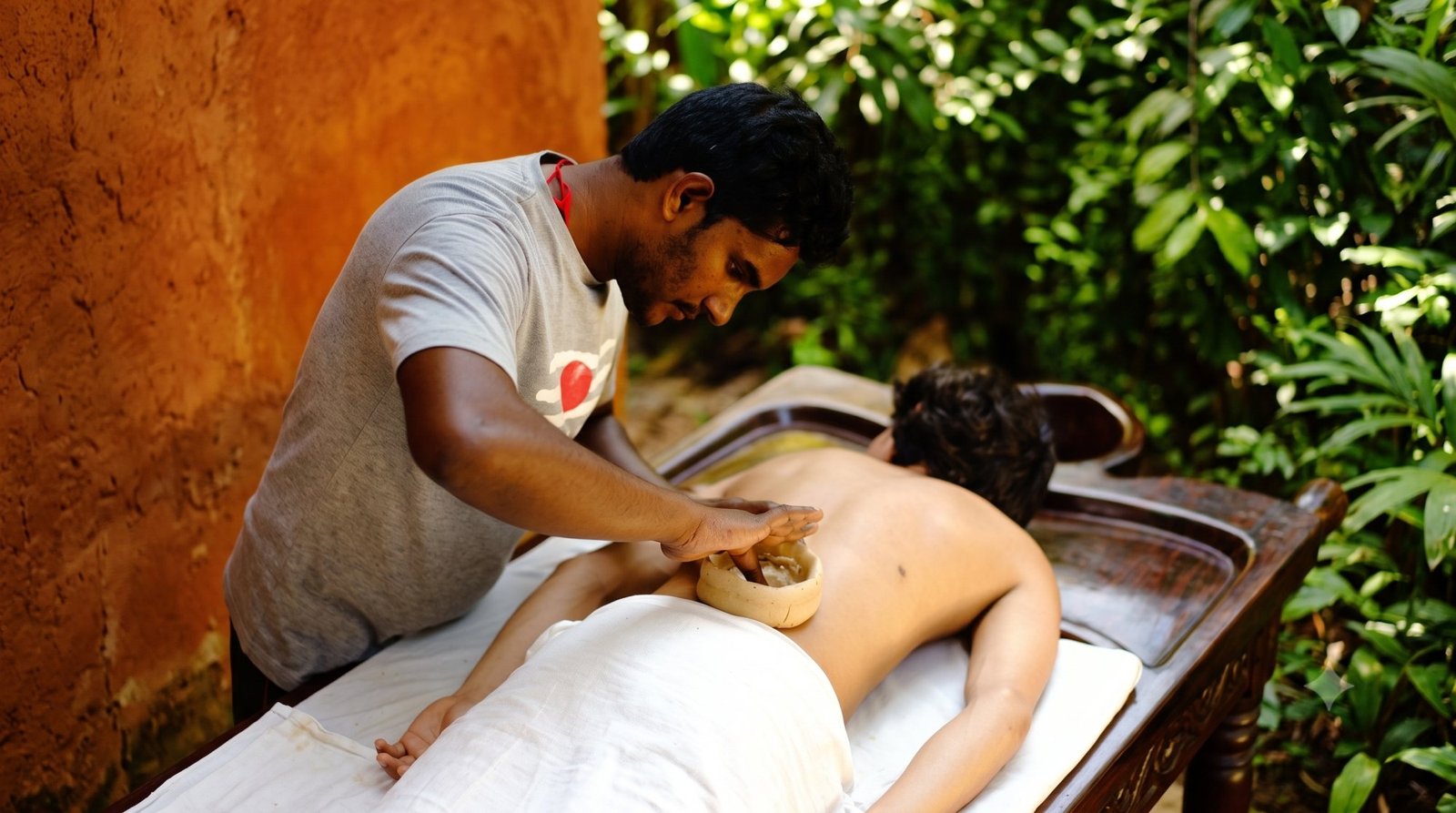
- Purva Karma (Preparatory Therapies): Internal oleation through medicated ghee and external oleation (Abhyanga) followed by herbal steam therapy (Swedana) liquefy deep-seated toxins and guide them toward the gastrointestinal tract for elimination.
- Pradhana Karma (Primary Elimination): Under close physician supervision, targeted procedures eliminate excess doshas. These include therapeutic purgation (Virechana), medicated herbal enemas (Basti), and nasal administration of oils (Nasya).
- Paschat Karma (Post-Care and Rejuvenation): A gradual re-introduction of foods (Samsarjana Krama) restores digestive capacity before administering rejuvenating herbs (Rasayana) to rebuild tissue strength and cellular immunity.
Undergoing supervised clinical therapies at an authentic retreat center ensures every protocol matches your physiological resilience. Explore our dedicated medical protocols on our Panchakarma retreat page.
Harmonizing Body and Mind: Ayurveda and Classical Hatha Yoga
Ayurveda and Yoga are inseparable sister sciences emerging from the same Vedic lineage. While Ayurveda addresses physical balance, tissue healing, and doshic equilibrium, Classical Yoga focuses on mastery of prana, mental clarity, and spiritual elevation.
At a disciplined residential retreat, these traditions operate in tandem:
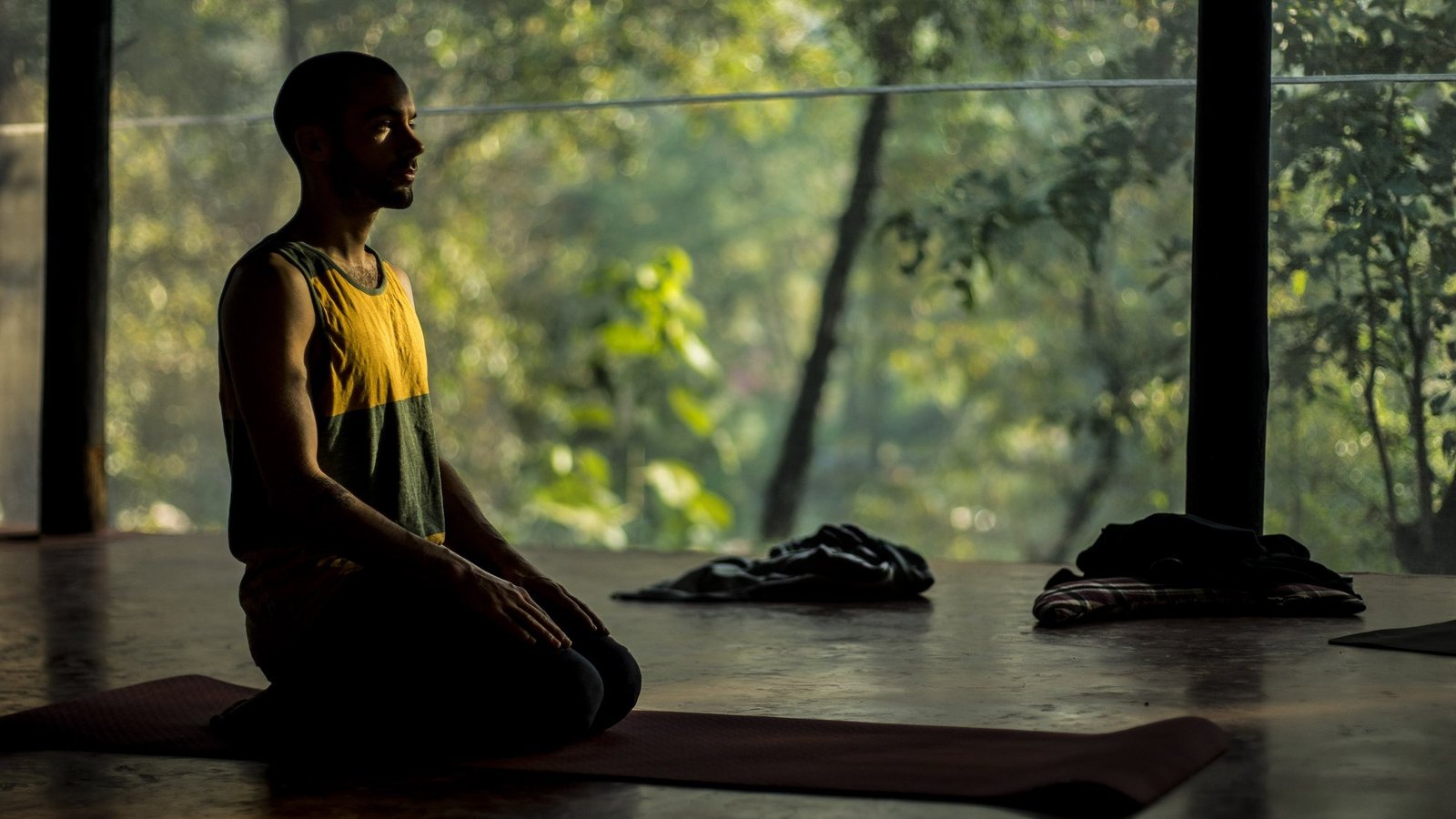
- Morning Asana Practice: Gentle, alignment-focused Hatha Yoga postures stimulate digestion, mobilize lymph, and open physical channels (Srotas) without exhausting the nervous system.
- Pranayama (Breath Mastery): Rhythmic breathing techniques like Nadi Shodhana (alternate nostril breathing) soothe the autonomic nervous system, balancing the subtle channels of Ida and Pingala.
- Dhyana (Meditation): Daily meditative stillness stabilizes the mind, transforming physical detoxification into lasting emotional integration.
To experience how focused yogic discipline amplifies natural cellular healing, discover our holistic Yoga Retreat programs.
Why Assagao, Goa Is an Ideal Sanctuary for Healing
When choosing where to experience Ayurveda In India, location directly influences recovery. While historical hubs like Kerala are celebrated for clinical traditions, the heritage village of Assagao in Bardez, North Goa, offers an ideal microclimate for holistic restoration.
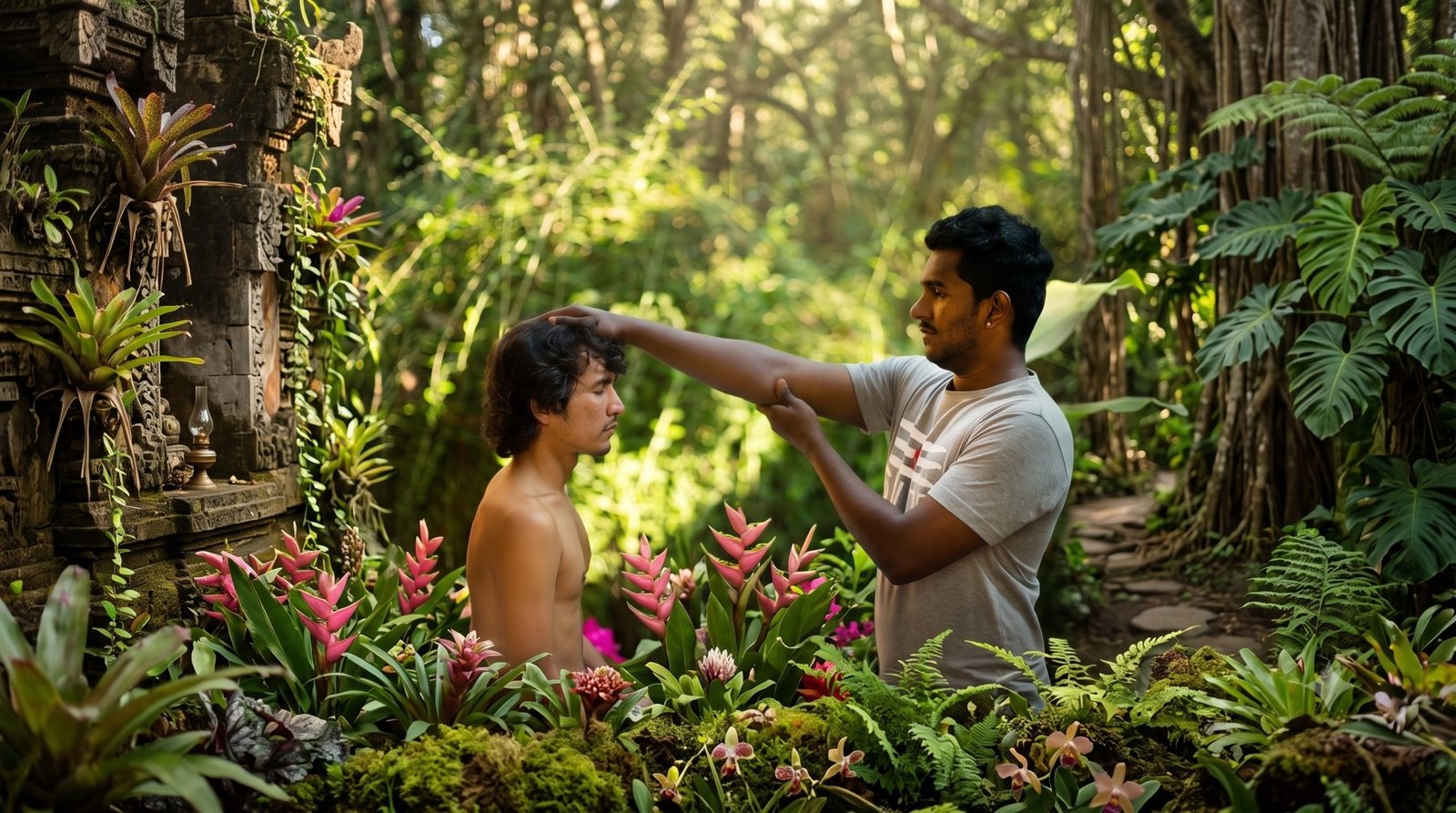
Tucked away from commercial beach hubs, Assagao is known for its lush canopies, ancient banyan trees, Portuguese-era architecture, and tranquil atmosphere. The coastal tropical climate keeps pores open and tissues supple—essential for therapeutic oil absorption and lymphatic drainage during intensive detox programs. In this peaceful haven, natural birdsong and sea breezes replace urban stress, allowing the nervous system to shift fully into a parasympathetic restorative state.
What to Expect at a Residential Ayurvedic Retreat
Enrolling in an authentic residential Ayurveda center in India is an immersive journey of self-discovery:
- Comprehensive Consultation & Nadi Pariksha: A qualified Ayurvedic physician analyzes your pulse, tongue, eyes, skin, and medical history to chart your personalized treatment roadmap.
- Daily Custom Therapies: From warm oil pourings across the forehead (Shirodhara) to warm herbal bolus massages (Kizhi), your treatments evolve as your body detoxifies.
- Nourishing Routine: Guided by a regular schedule of yoga, meditation, consultations, and wholesome meals, your body recalibrates to natural physiological rhythms.
- Sustainable Tools for Home: You depart not just refreshed, but equipped with nutritional guidelines, lifestyle adaptations, and practical wisdom to sustain your balance long after leaving India.
Embarking on a journey of Ayurveda In India reconnects you with ancestral medical wisdom, clearing physical toxicity, restoring mental stillness, and returning your life to its natural state of radiant health.
What is Ayurveda in India?
Ayurveda in India is an unbroken 5,000-year-old holistic medical system originating from Vedic scriptures. It uses diet, daily lifestyle, classical herbal pharmacology, and Panchakarma therapies to balance the three biological humors (Vata, Pitta, Kapha) and address the root causes of disease.
Why travel to India for Ayurvedic treatment instead of doing it locally?
Traveling to India provides immersion in the living home of Ayurveda, where treatments are guided by qualified Vaidyas (BAMS/MD physicians), formulated using fresh indigenous herbs, and supported by tropical climates that optimize therapeutic detoxification and systemic rest.
What are the three doshas in Ayurveda?
The three doshas are Vata (Ether and Air), governing movement and the nervous system; Pitta (Fire and Water), governing digestion, metabolism, and transformation; and Kapha (Water and Earth), governing physical structure, lubrication, and immunity.
What is Panchakarma?
Panchakarma is Ayurveda's classical fivefold purification protocol designed to clear deep-seated metabolic waste (Ama) and balance the doshas through therapies including Vamana, Virechana, Basti, Nasya, and Raktamokshana.
How long should an authentic Panchakarma retreat last?
An authentic Panchakarma program requires a minimum of 14 to 21 days. This allows adequate time for preliminary preparation (Purva Karma), active therapeutic elimination (Pradhana Karma), and gradual post-detox rejuvenation (Paschat Karma).
What health conditions can Ayurveda in India effectively treat?
Ayurveda effectively supports recovery from chronic lifestyle conditions including digestive disorders (IBS, acid reflux), metabolic syndrome, chronic fatigue, joint pain, stress and anxiety, hormonal imbalances, and autoimmune and skin conditions.
What is the best season to undergo Ayurvedic treatment in India?
While treatment can be undertaken year-round, the monsoon season (June to September) is classically regarded as optimal because ambient moisture opens bodily pores and softens tissues, accelerating oil absorption and toxin release.
Can Ayurveda help with chronic stress, anxiety, and burnout?
Yes. Ayurveda treats chronic stress and nervous exhaustion using targeted therapies such as Shirodhara, warm Abhyanga, grounding herbal formulations, and integrated meditation and pranayama to restore parasympathetic balance.
How do Ayurveda and Hatha Yoga complement each other?
Ayurveda and Yoga are sister Vedic sciences. Ayurveda restores physical balance, tissue vitality, and digestive strength, while Hatha Yoga purifies the energetic channels (Nadis), focuses the mind, and builds balanced physical strength.
What does a daily schedule look like at an Ayurveda retreat in India?
A typical day begins early with morning meditation and Hatha Yoga, followed by a fresh Sattvic breakfast, doctor consultations, personalized Ayurvedic treatments, light lunch, dedicated rest, afternoon lectures or gentle yoga, and a light dinner before an early bedtime.
What kind of food is served during an Ayurvedic retreat?
Retreats serve freshly cooked, organic, seasonal, vegetarian Sattvic meals. Dishes are tailored to support digestive fire (Agni) and doshic balance, minimizing inflammatory ingredients, refined sugars, and heavy processed items.
What is pulse diagnosis (Nadi Pariksha)?
Nadi Pariksha is an ancient diagnostic method where an Ayurvedic doctor places fingers on the radial artery to evaluate the balance of Vata, Pitta, and Kapha, detect deep-seated organ stress, and identify early imbalances before clinical symptoms manifest.
Are Ayurvedic medicines safe to take?
Classical Ayurvedic medicines prepared by reputable licensed manufacturers and prescribed by qualified Vaidyas are safe, natural, and non-habit forming. Supervised administration ensures remedies match your personal constitution.
What is the difference between an Ayurvedic spa and a clinical residential retreat?
An Ayurvedic spa offers recreational relaxation massages, while a clinical residential retreat delivers doctor-led diagnostic consultations, tailored daily medical treatments, structured herbal therapies, specific diets, and genuine Panchakarma.
How should I prepare before traveling to India for an Ayurveda retreat?
In the 7 to 10 days before arrival, reduce caffeine, alcohol, processed foods, and animal protein. Hydrate well, maintain consistent sleep hours, and adopt a simple, lightly spiced plant-based diet to prepare your digestion.
Why choose Goa for an Ayurveda retreat in India?
Goa offers lush tropical nature, clean coastal air, and a tranquil ambiance away from busy urban centers. Villages like Assagao provide a quiet environment surrounded by green trees, ideal for nervous system recovery.
Is an Ayurveda retreat in Assagao, Goa quiet and peaceful?
Yes. Assagao is a peaceful inland village characterized by quiet lanes, historic heritage homes, and forested valley hills, offering seclusion and peace away from commercial coastal tourism.
Do I need prior yoga experience to join an Ayurvedic yoga retreat?
No prior experience is necessary. Authentic retreats customize yoga postures and breathing techniques to your current physical capabilities and mobility level to support healing safely.
Can beginners undergo Panchakarma safely?
Yes. Every Panchakarma program is customized by the supervising physician based on individual vitality (Ojas), age, and metabolic strength, ensuring therapies remain gentle and effective for beginners.
Are solo travelers welcome at residential Ayurveda retreats in India?
Yes, many guests travel solo. Residential retreats provide a supportive, secure, and community-focused environment where guests can focus on personal healing and self-reflection.
How long do the benefits of an Ayurveda retreat last?
The benefits can last for months or years, especially when guests integrate the dietary guidance, seasonal routines (Ritucharya), and lifestyle tools learned during their retreat into their daily lives back home.
Can Ayurveda help with digestive issues like IBS, bloating, and acid reflux?
Yes. Ayurveda focuses directly on balancing digestive fire (Agni). By eliminating metabolic toxins (Ama) and using gut-healing spices, customized diets, and basti treatments, it directly addresses chronic digestive distress.
What is Shirodhara and what are its primary benefits?
Shirodhara is a classical therapy where a continuous stream of warm medicated herbal oil is gently poured over the forehead (Ajna chakra). It deeply calms the nervous system, alleviates anxiety, improves sleep quality, and relieves tension headaches.
What should I pack for an Ayurvedic retreat in India?
Pack loose, comfortable cotton clothing (some may be stained by massage oils), natural toiletries, a light shawl or sweater for cooler mornings, a reusable water bottle, slip-on footwear, and any relevant medical records.
Are treatments personalized for every individual guest?
Yes. Ayurveda rejects one-size-fits-all treatments. Every herb, medicated oil, therapeutic procedure, and dietary plan is tailored to your unique Prakriti (constitution) and current Vikriti (imbalance).
Can I undergo Ayurvedic treatment if I am taking allopathic prescription medication?
Yes. Share your complete medical history and current prescription medications during your initial consultation. The Ayurvedic physician will formulate compatible protocols and will not discontinue essential medications without clinical coordination.
What is the difference between Prakriti and Vikriti?
Prakriti is your unique, innate constitutional balance established at conception, while Vikriti represents your current state of doshic imbalance caused by lifestyle, stress, diet, or environmental factors.
How does an Ayurvedic diet differ from common Western diets?
Rather than counting calories or tracking macronutrient grams, an Ayurvedic diet focuses on the six tastes (Shad Rasa), the heating or cooling energetic qualities of foods (Virya), post-digestive effect (Vipaka), and alignment with individual doshic needs.
How do I choose an authentic Ayurveda retreat in India?
Look for residential centers staffed by fully qualified Ayurvedic doctors (BAMS/MD degrees), traditional on-site herbal preparation, dedicated sattvic dining, disciplined yoga integration, and honest reviews focused on holistic wellness rather than superficial resort luxury.
How can I book a residential retreat at Swan Ayurveda in Assagao, Goa?
You can reach Swan Ayurveda directly by calling +91 8007 360 677, emailing info@swanayurveda.com, or submitting an inquiry via their website to discuss customized Panchakarma and Yoga retreat programs.