
A natural complement to Ayurveda योग
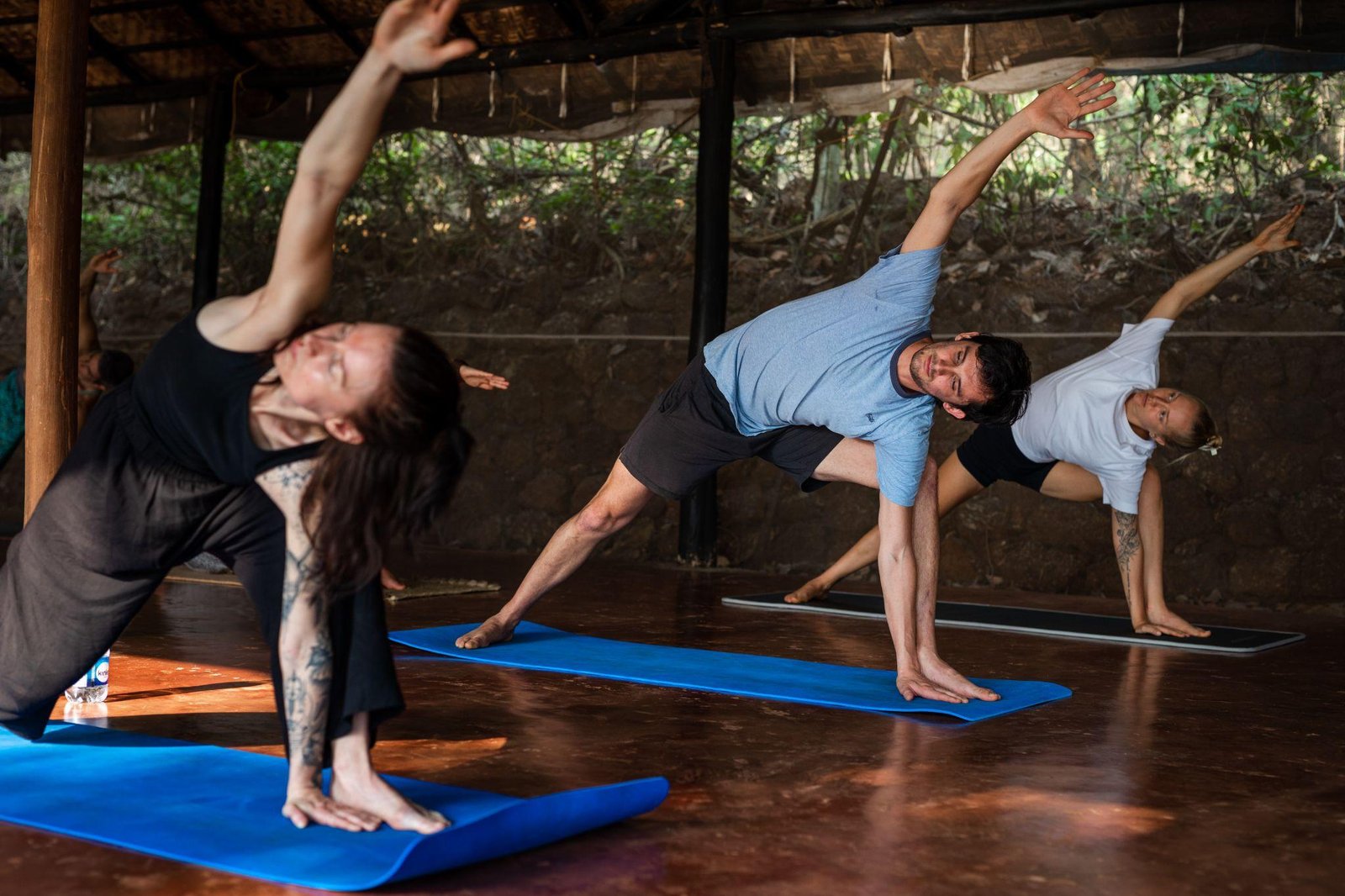
At SWAN Ayurveda, traditional Hatha Yoga is practiced as a natural complement to Ayurvedic treatment and Panchakarma. It is not offered as a separate discipline set apart from the healing work, but as part of the same rhythm — held alongside, in support of the deeper aim of the treatment.
Simple, purposeful, adapted
The practices are simple, purposeful, and adapted to the individual and to the stage of their Ayurvedic program. Asana, pranayama, relaxation, and other traditional Hatha Yoga practices are used to support steadiness of the body, ease in the breath, and a quiet, attentive state of mind.
Measured, not intense
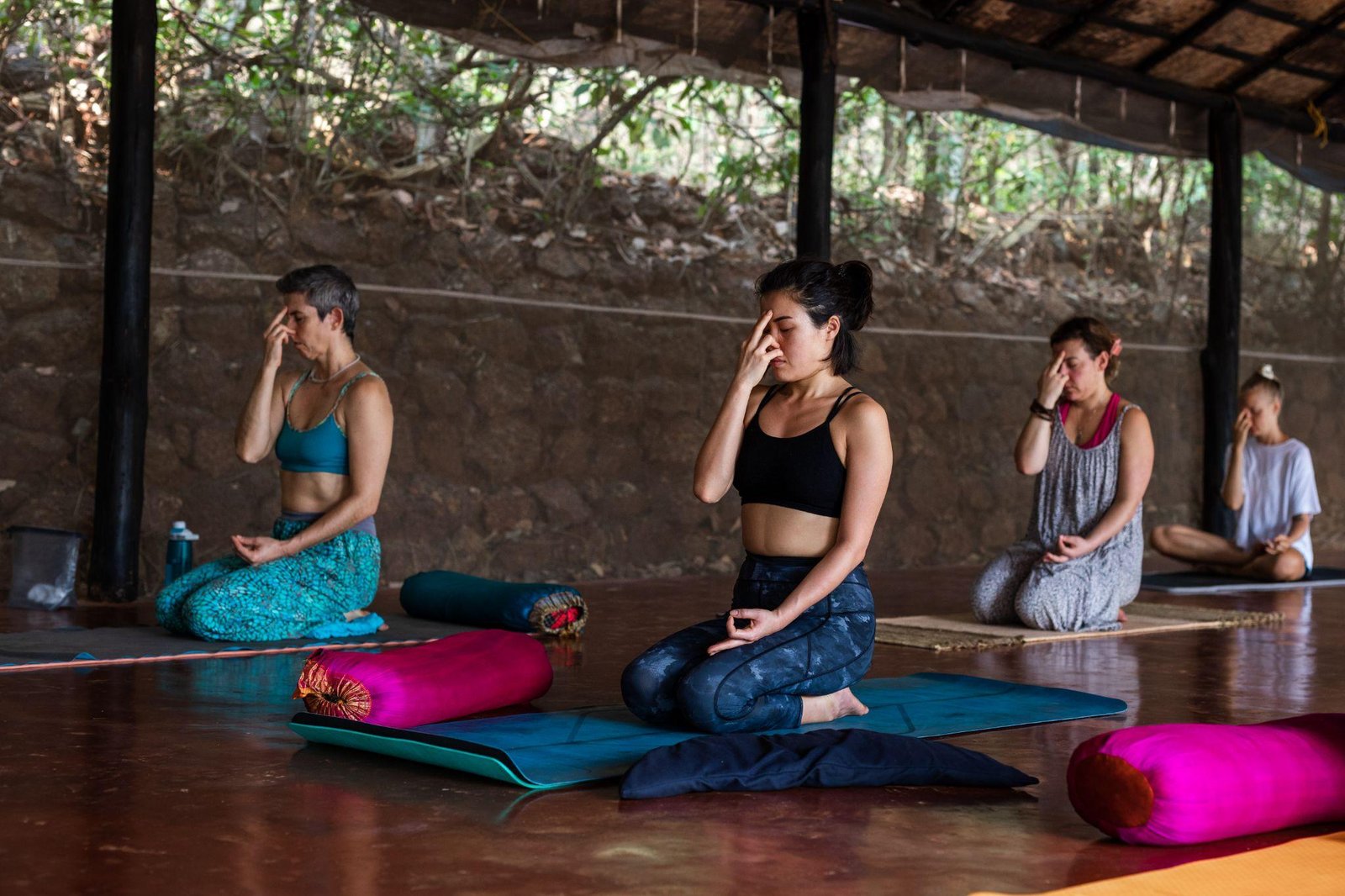
During Panchakarma, the emphasis is not on intensity, achievement, or physical performance. The practice is deliberately measured, allowing the body to remain receptive to the Ayurvedic process while maintaining appropriate movement, breath, and awareness.
Part of residential life
Yoga sessions are therefore not designed as a separate fitness program. They form part of the rhythm of residential life at SWAN — supporting the deeper purpose of Ayurveda: creating the conditions for the body and mind to return towards balance.
Two complementary practices
Traditional Ayurveda and Hatha Yoga are approached here as complementary practices — each with its own place, brought together within a simple and disciplined way of living.
Yoga, alongside the work
Ayurveda is the work; yoga is what holds the day around it — the early waking, the breath, the stillness that keep the body open while the treatment does its part. We teach it as the rishis taught it, complete and unmodernised. For Panchakarma guests it is the supporting practice; for a smaller number who return to study it, it becomes a discipline of its own. Either way, what you arrive with is enough.
Postures held with attention. Body learning stillness, then strength, then surrender.
Breath under conscious control. The bridge between body and mind — lengthened, refined, and drawn inward.
Conscious sleep. The practice of resting awake — a rest deeper than sleep, lighter than thought.
The fire offering and the singing of names. Practice that turns the day into a ceremony.
Repeated sound that holds the practitioner. The oldest medicine, and the simplest.